“Be Still Like a Tree”: What It Means and When to Use
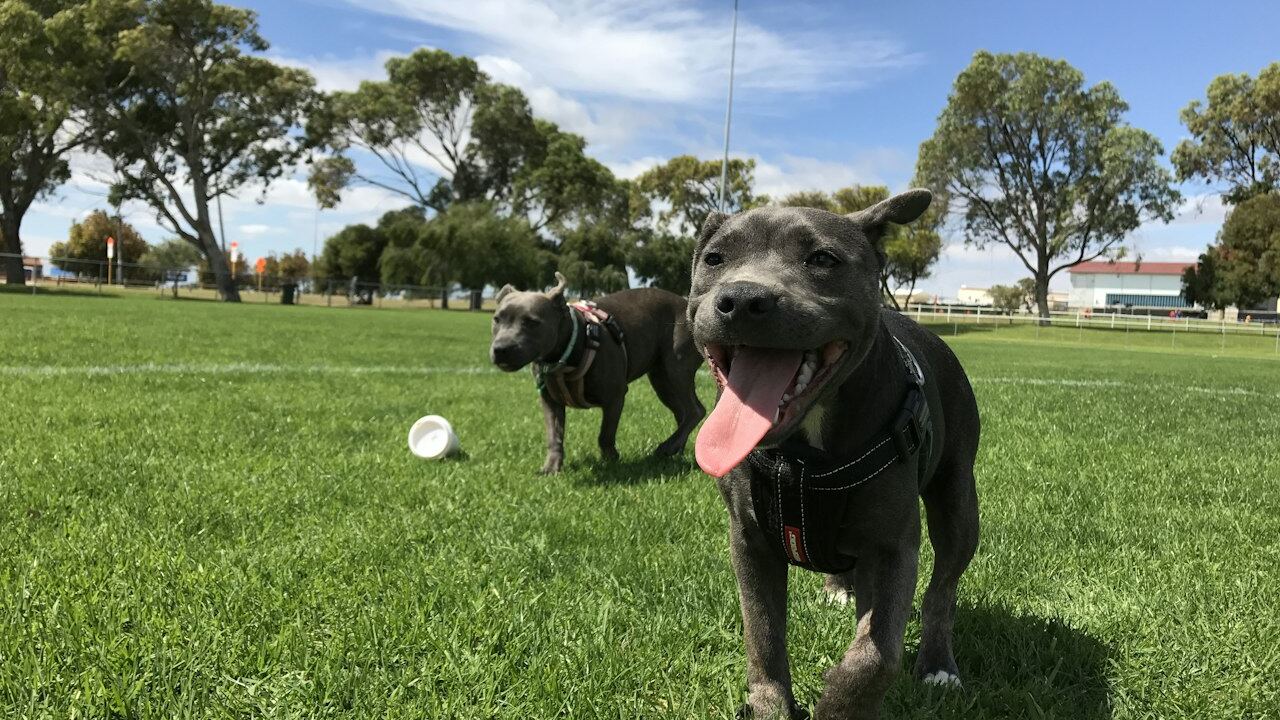
“Be still like a tree” is a safety rule that teaches children how to react around an unfamiliar or loose dog: stay calm, avoid running, and wait for an adult. This guide explains the rule, when to use it, and what to do if a dog knocks them over. It is general safety guidance.
The tree rule, step by step
When a strange dog approaches, the child stops moving, keeps arms at the sides, avoids staring at the dog, and waits quietly until an adult steps in. Running or screaming can trigger chase behavior.
- Stop and stand upright, feet still, hands loose.
- Do not make direct eye contact with the unfamiliar dog.
- Call an adult rather than trying to pet or shoo the dog away.
When to use it
The rule applies around unknown loose dogs, neighborhood dogs behind fences, or a dog that seems distracted or off-leash in a park or yard.
- A dog approaches without its owner nearby.
- A dog is tied up, behind a gate, or inside a car.
- The child cannot read the dog’s relaxed or tense signals.
- The rule is taught from preschool through school age; toddlers need constant adult supervision and should not be expected to manage an unknown dog on their own.
If knocked down: the “log” rule
If a dog knocks the child over, the safer response is to curl into a ball, protect the head and neck, and stay still until the dog moves away and an adult arrives.
- Tuck in the arms and legs and turn to the side.
- Cover the face and head, and do not wave or kick.
- Wait for an adult rather than scrambling up near the dog.
Practicing at home
Role-play helps children remember the rule under pressure, when instinct might be to run or scream.
- Practice standing still, looking down, and calling an adult.
- Review when to stop versus when to leave an approached dog.
- Pair the rule with asking permission before touching any pet.
Common mistakes to avoid
Children’s first instinct around a dog is often to run, which makes the situation worse.
- Do not run from or scream at an approaching dog.
- Do not reach toward an unfamiliar dog to be friendly.
- Do not climb or hide near a dog that is cornering the child.
When an adult intervenes
Adults should separate the child and dog calmly, check for injury, and identify the dog and owner; report a concerning loose dog to local authorities if needed.
- Any bite or scratch breaking skin needs medical review.
- Record the dog’s appearance and the owner’s contact details.
- A persistent aggressive loose dog should be reported promptly.
- If a dog shows repeated tense or guarded behavior around children, consult a veterinarian or certified dog behaviorist rather than relying on the rule alone.
Frequently asked questions
What is the “be still like a tree” dog rule?
It means stopping movement, keeping arms at the sides, avoiding eye contact, and waiting for an adult when an unfamiliar dog approaches, instead of running or reaching toward the animal.
Why should a child not run from a dog?
Running and screaming can trigger a dog’s chase instinct. Standing still and waiting for an adult is the safer response around an unknown dog.
What if the dog knocks the child over?
Curl into a ball, protect the head and neck, stay still until the dog moves away and an adult arrives. Do not wave, kick, or scramble up near the animal.
Where should the child look when a dog approaches?
Avoid direct eye contact, which can read as a challenge; look down and to the side, stay calm, and wait quietly for an adult.
How do we teach the rule before an incident?
Practice the steps at home through role-play: standing still, calling an adult, and remembering to ask permission before touching any pet.
Not professional advice. This guide covers general household and safety information. For your child's health or your pet's behavior and medical care, contact your pediatrician or veterinarian directly. Do not rely on a website for urgent decisions.