Chocolate, Grapes, Onions and Pets: Common Food Toxins Around Children
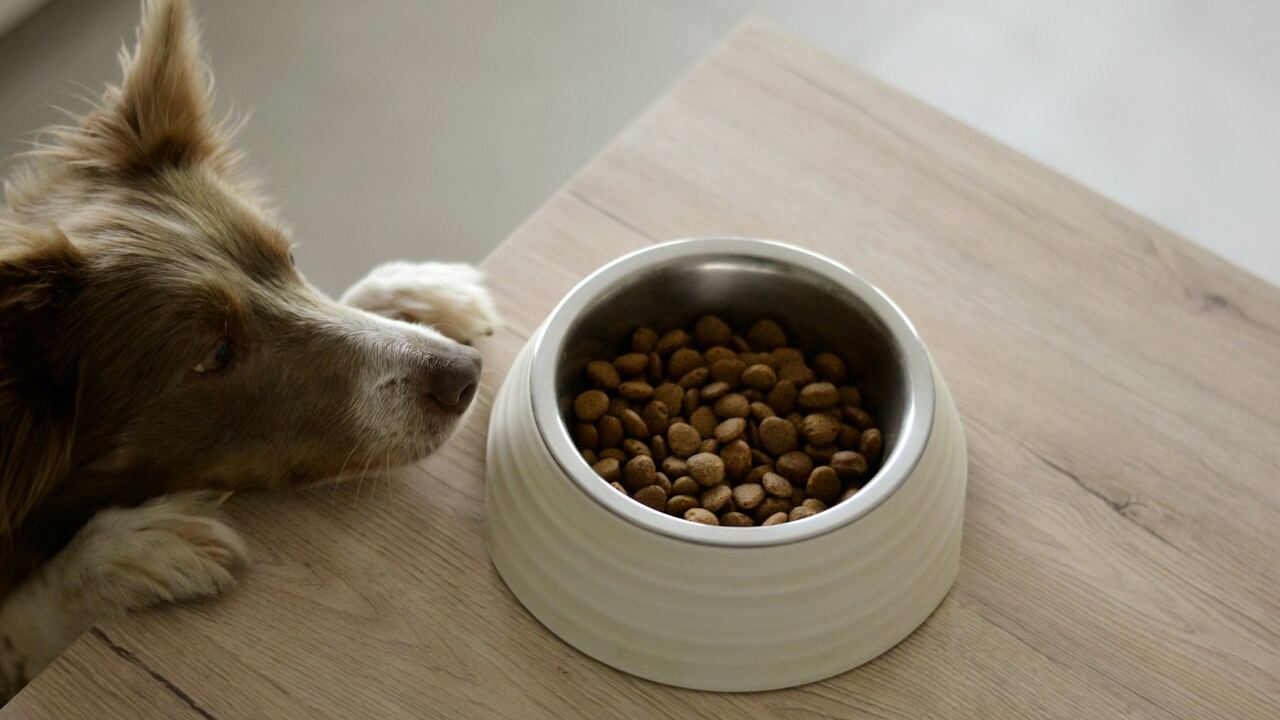
Many foods that are ordinary for people can poison dogs and cats. In a family home, the risk rises because children eat snacks, drop crumbs, and may share food with a pet. Knowing which foods matter and acting quickly makes a real difference.
The foods that matter most
Toxicity depends on the animal, the amount, and the form of the food. These are among the most common and potentially serious household risks.
- Chocolate: theobromine, darker and baking chocolate are far more dangerous than milk chocolate.
- Grapes and raisins: can cause sudden kidney failure in dogs; the threshold varies widely.
- Onions, garlic, chives, and leeks: damage red blood cells in dogs and cats, including powdered forms.
- Xylitol: an artificial sweetener in gum, candy, and some baked goods; causes dangerous blood sugar drops and liver injury in dogs.
Symptoms that should trigger action
Signs vary by toxin but often involve the stomach and nervous system.
- Vomiting, diarrhea, drooling, or loss of appetite.
- Restlessness, tremors, or seizures.
- Weakness, collapse, or unusual thirst and urination.
- Symptoms may be delayed, so early signs matter even if the pet seems fine.
What to do in the first minutes
Do not wait to see if the pet improves, and do not try home remedies such as inducing vomiting unless a professional tells you to.
- Remove the rest of the food and keep the packaging or a sample.
- Note what the pet ate, how much, and when.
- Call a veterinarian or an animal poison control service immediately.
- Follow their instructions; do not give milk, oil, or salt as an antidote.
Preventing exposure in a child's home
The most effective protection is environmental.
- Teach children never to share food with the pet.
- Store chocolate, grapes, and xylitol-containing products out of reach.
- Supervise meal and snack time and clean up dropped food promptly.
- Keep the trash sealed and the pet out of the kitchen during food prep.
Why this matters for your child. Children naturally want to share their snacks. Give them a clear rule: people food stays with people. Because a child may not recognize a small amount as dangerous, adults still need to manage storage and clean-up.
Frequently asked questions
How much chocolate is dangerous for a dog?
It depends on the type and the dog's size. Dark and baking chocolate contain far more theobromine. Any significant ingestion warrants a call to a veterinarian or poison control.
Are grapes poisonous to cats too?
The clearest documented risk is kidney injury in dogs. Because the effect is unpredictable, avoid giving grapes or raisins to any pet.
What should I do if my dog ate gum with xylitol?
Treat it as urgent. Xylitol can cause a rapid drop in blood sugar and liver damage. Call a veterinarian or poison control right away, even if the pet looks normal.
Can I make my dog vomit at home?
Do not induce vomiting unless a veterinarian or poison control instructs you to. Some toxins cause more harm coming back up.
Why are onions dangerous in cooked food?
Cooking does not remove the compounds that damage red blood cells. Onion and garlic powder are especially concentrated and dangerous.
Sources and further reading
This guide draws on public guidance from: ASPCA — Animal Poison Control Pet Poison Helpline. Links are provided for further reading; they do not imply endorsement.
Not professional advice. This guide covers general household and safety information. For your child's health or your pet's behavior and medical care, contact your pediatrician or veterinarian directly. Do not rely on a website for urgent decisions.