Why Ages 5–9 Are the Highest-Risk Group
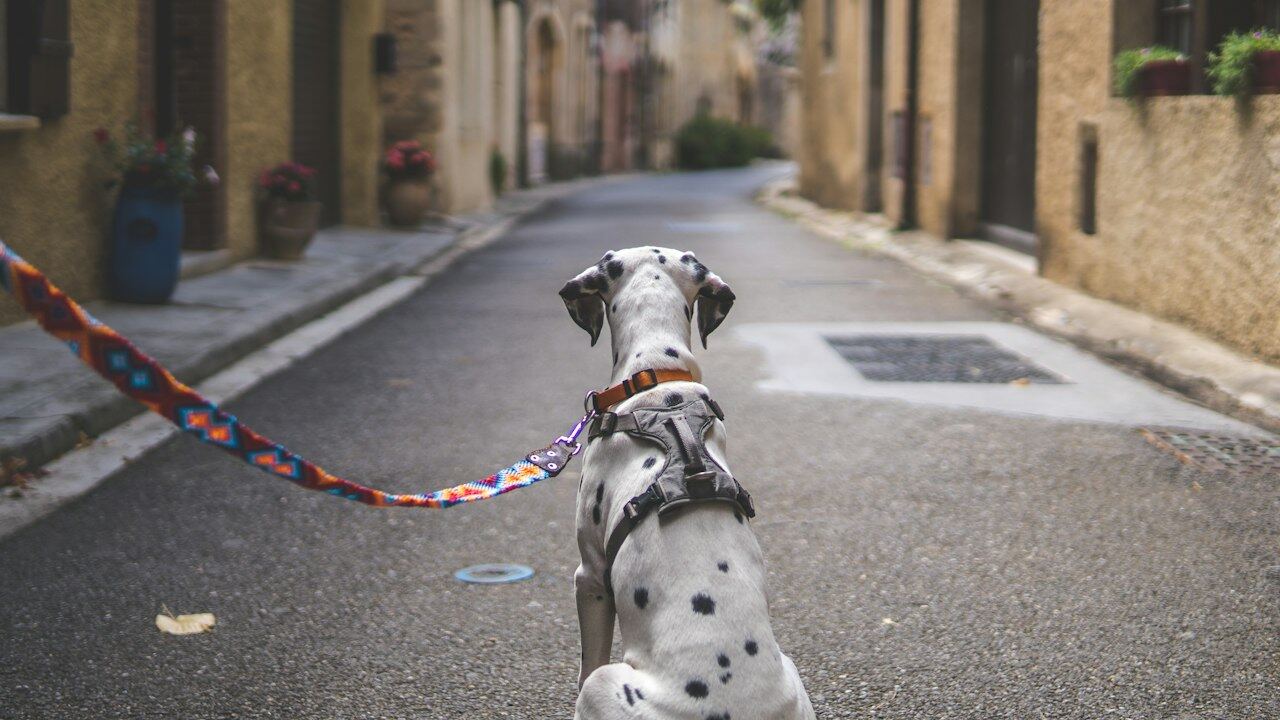
Children roughly ages 5 to 9 appear most often in dog-bite statistics, because their activity level, height, and developing judgment change how they interact with animals. This guide explains the risk and the rules that protect this age group. It is general safety information, not medical advice.
Why this age stands out
Children in this range are active, curious, and more mobile than toddlers, but still read animal body language imperfectly. They may run, hug, tease, or approach from the front without recognizing warning signals.
- Sudden movement and loud play can trigger a dog’s reaction.
- A child may not notice a dog’s freeze, tucked tail, or warning growl.
- Face and head are near the dog’s level, raising injury risk.
Common trigger moments
Most bites to this age group occur during play or around resources, rather than from an aggressive dog out of nowhere.
- Roughhousing, tug-of-war, or excited chasing.
- Approaching a dog that is eating, resting, or guarding a toy.
- Petting an unfamiliar or loose dog in a yard or park setting.
Rules that protect this age
Clear, repeatable rules help children manage contact even when their judgment is still developing.
- Always ask before petting someone else’s dog; let the dog sniff first.
- Keep hands gentle and pet the back, not the head or face.
- Leave a dog alone while it eats, sleeps, or cares for puppies.
Dog vs other interactions
Dogs react to movement and direct approach; cats show clearer withdrawal boundaries and walk away when done. Supervision and signal-reading matter for both.
- A dog that grows or tucks its tail should be left alone immediately.
- A cat that flattens ears or flicks its tail wants the contact to stop.
- An adult should step in before an encounter becomes tense.
Common mistakes to avoid
Parents often assume this age can “handle” a pet independently, which raises the chance of an incident.
- Do not leave a 5–9 year old unsupervised with an unfamiliar or reactive dog.
- Do not let running, screaming, or chasing continue around a dog.
- Do not force affection when the animal shows stress signals.
When to review the setup
If the child struggles with gentle rules or the dog shows repeated stress, the family should reset boundaries and consider trainer or pediatrician guidance.
- Repeated grabbing, poking, or cornering the animal.
- The dog avoids the child, growls, or snaps.
- Any bite, scratch, or recurring tense encounter needs a review.
Frequently asked questions
Why are 5–9 year olds bitten more often?
They are mobile and active but still imperfect at reading dog signals, and their face and head are close to the dog. Sudden movement, hugging, or teasing can trigger a reaction before the child notices the warning.
What bites most often happen during play?
Roughhousing, tugging, chasing, and excited greeting are common triggers. Teaching gentle contact and recognizing a dog’s stress signals helps prevent most incidents.
Should this age group be left alone with a family dog?
No child should be left unsupervised with a dog, especially an unfamiliar or reactive one. Adults should supervise interactions and read the animal’s body language.
What should a child do if an unknown dog approaches?
Stay still like a tree, avoid eye contact and running, and call an adult. Do not reach toward the dog or try to pet it without an adult and the owner’s okay.
When do we need professional help?
Persistent rough handling, a dog that growls or snaps at the child, or any bite or scratch should be reviewed with a pediatrician or qualified trainer.
Not professional advice. This guide covers general household and safety information. For your child's health or your pet's behavior and medical care, contact your pediatrician or veterinarian directly. Do not rely on a website for urgent decisions.