Fel d 1 Explained: Why Cats Trigger Allergies
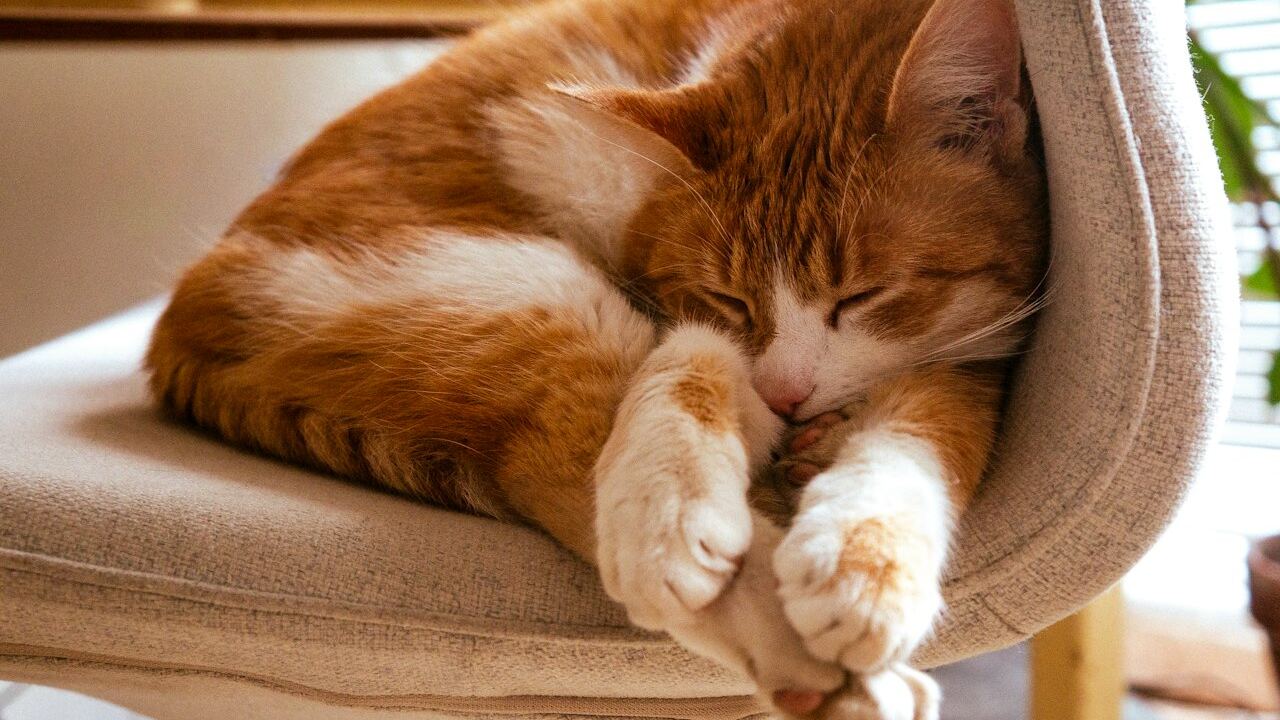
Cat allergy is driven mainly by a protein called Fel d 1, carried in dander, saliva, and urine rather than by the fur itself. This guide explains where Fel d 1 comes from, how it spreads around the home, and what families can realistically do. It is general guidance only, not a diagnosis or treatment plan.
What Fel d 1 is
Fel d 1 is a protein produced in a cat’s skin and glands. It sticks to flakes of skin (dander) and to saliva left on the coat during grooming. When the cat sheds or scratches, these tiny particles enter the air and settle on fabrics, furniture, and floors.
- The protein is light enough to stay airborne for long periods.
- It clings to clothing, bedding, upholstery, and carpets rather than settling quickly.
- Grooming spreads saliva and dander across the whole coat, not just the parts you touch.
Where children tend to be exposed
Repeated exposure usually happens in places the cat sleeps, rests, or roams, and through direct contact with the coat or dander that has collected on surfaces.
- The cat’s bed, favorite couch, and window perch are common allergen reservoirs.
- Children who cuddle or carry the cat contact dander directly on their hands and face.
- Dander on clothing and toys can travel into a child’s bedroom even when the cat does not enter.
How it differs from a dog allergen
Cat and dog allergens are related but not identical. Cat allergen tends to stay airborne longer and bind more tightly to fabrics; dog dander more often drops onto floors and surfaces.
- No cat breed is reliably allergy-free; coat length and shedding are not the whole picture.
- Toddlers touch surfaces and then their mouths more, so cleaning hands and toys matters most at this age.
- Older children can learn to wash their hands after contact and keep the cat out of their sleeping area.
Reducing contact at home
Exposure control lowers the allergen load around the child and supports medical management, but it does not remove the allergen completely.
- Keep the cat out of the child’s bedroom, especially the bed and bedding.
- Wash hands and face after contact, and keep the cat off the child’s couch and blankets.
- Brush the cat in a designated spot away from the main play area, then clean floors and upholstery on a regular schedule.
Common mistakes to avoid
Misreading the source of symptoms can delay proper care or make an unnecessary decision about the pet.
- Do not assume long fur means high allergy; allergens come from dander and saliva, not coat length alone.
- Do not move the cat outdoors as a first fix; indoor allergen still reaches shared living spaces.
- Do not rehome the pet based on one mild symptom before a clinician has assessed the situation.
When to talk to a professional
Persistent symptoms, especially breathing ones, should be reviewed by a pediatrician or allergist. The home plan supports that advice but does not replace a clinical visit.
- Repeated sneezing, runny nose, itchy eyes, or rash after contact.
- Wheeze, cough, or chest tightness that recurs around the cat.
- Symptoms that disrupt sleep, school, or play warrant an appointment.
Frequently asked questions
Is Fel d 1 only in cat fur?
No. Fel d 1 is in dander, saliva, and urine as well as fur; grooming distributes the protein across the coat. The fur itself is not the allergen source.
Can a cat be washed to reduce Fel d 1?
Bathing can temporarily reduce surface dander and saliva, but the protein quickly returns with normal grooming and shedding. Regular brushing and fabric cleaning usually give steadier results.
Which cats produce the most Fel d 1?
Levels vary by individual cat and sex, not by breed label. A clinician can advise testing and management; no breed is guaranteed allergy-free.
Will our child outgrow a cat allergy?
Allergies can change with age, but this cannot be assumed. Track symptoms and follow the pediatrician’s or allergist’s guidance rather than waiting to see if it passes.
Should we keep the cat if the child reacts?
Most families manage cat allergy through exposure control, cleaning, and medical guidance. Rehoming is a major decision to consider only after clinical assessment and a clear plan.
Not professional advice. This guide covers general household and safety information. For your child's health or your pet's behavior and medical care, contact your pediatrician or veterinarian directly. Do not rely on a website for urgent decisions.