HEPA Air Purifiers for Pet Allergens: What Works
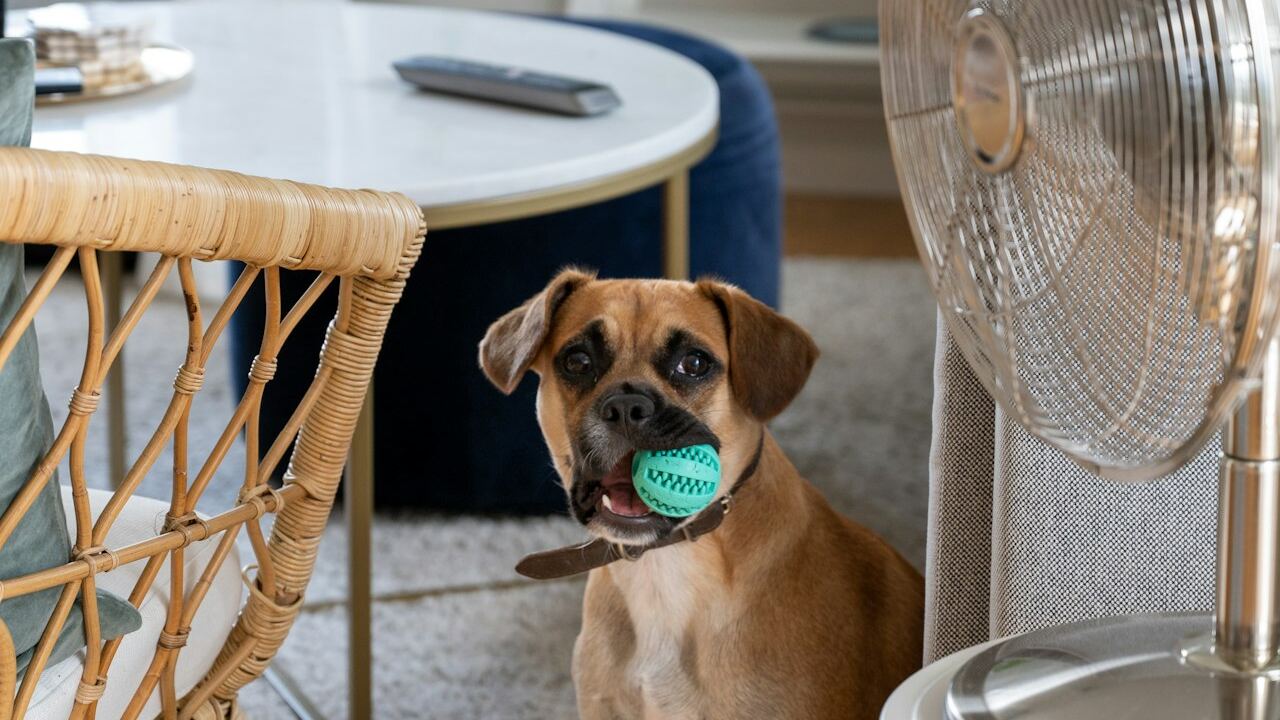
A HEPA purifier can reduce airborne pet dander in a shared room, but it works alongside cleaning and bedroom limits rather than replacing them. This guide explains what HEPA filtration does, what to check, and its real limits. It is general guidance only.
What a HEPA filter catches
A true HEPA filter traps fine particles passing through the unit, including much of the dander that stays airborne. It does not remove allergen already settled in carpets, upholstery, or bedding.
- Airborne dander that reaches the filter is captured.
- Particles trapped in fabrics and floors need cleaning to remove.
- Units must be sized and placed for the room they serve.
Choosing a practical unit
Room size, filter type, airflow, and maintenance matter more than brand claims. Families should focus on whether the purifier fits the space and is easy to keep serviced.
- Match the unit’s rated room area to the bedroom or living area.
- Check the filter type and how often it must be replaced.
- Place the purifier where air circulates, away from blocked corners.
How it fits into the home plan
A purifier supports the other exposure controls, which stay the main line of defense around the child.
- Keep the pet out of the child’s bedroom regardless of the purifier.
- Continue regular cleaning of floors, upholstery, and bedding.
- Use the purifier in the room the child spends the most time in.
Dog vs cat allergen notes
Cat allergen tends to stay airborne longer and benefits more from ongoing air filtration; dog dander settles onto surfaces where cleaning does the main work.
- Cats roam high surfaces, spreading allergen through the air.
- Dogs track dander on paws and through shedding near entryways.
- Toddlers play on floors where settled dander accumulates.
Common mistakes to avoid
Overestimating a purifier’s role is the most common error.
- Do not expect a purifier to remove allergen trapped in carpets and soft furniture.
- Do not skip bedroom limits because a unit is running.
- Do not leave filters unchanged; a clogged filter performs poorly.
When symptoms still need a clinician
If irritation, wheeze, or rash persists despite air cleaning and exposure control, a pediatrician or allergist should review the child.
- Ongoing itchy eyes, runny nose, or rash around the pet.
- Any wheeze, cough, or chest tightness.
- Symptoms that disturb sleep or play.
Frequently asked questions
Do HEPA purifiers remove pet dander completely?
They capture airborne particles that pass through the filter, but allergen settled in carpets, upholstery, and bedding needs cleaning. Complete removal is not realistic.
Which room should the purifier go in?
Place it in the child’s main living or sleeping area, sized for that room. Air filtration helps most where the child spends the most continuous time.
Are cat allergens removed better than dog allergens?
Cat allergen stays airborne longer, so ongoing filtration helps it; dog dander settles on surfaces and depends more on regular cleaning. Both are reduced by a combined home plan.
How often should filters be replaced?
Follow the unit’s guidance; clogged filters reduce airflow and capture. Regular filter replacement keeps the purifier working as intended.
Can an air purifier replace keeping the pet out of the bedroom?
No. Bedroom restrictions and fabric cleaning remain the main controls; the purifier supports them rather than replacing those steps.
Not professional advice. This guide covers general household and safety information. For your child's health or your pet's behavior and medical care, contact your pediatrician or veterinarian directly. Do not rely on a website for urgent decisions.