Why You Shouldn't Hug a Dog: What Parents Should Teach Kids
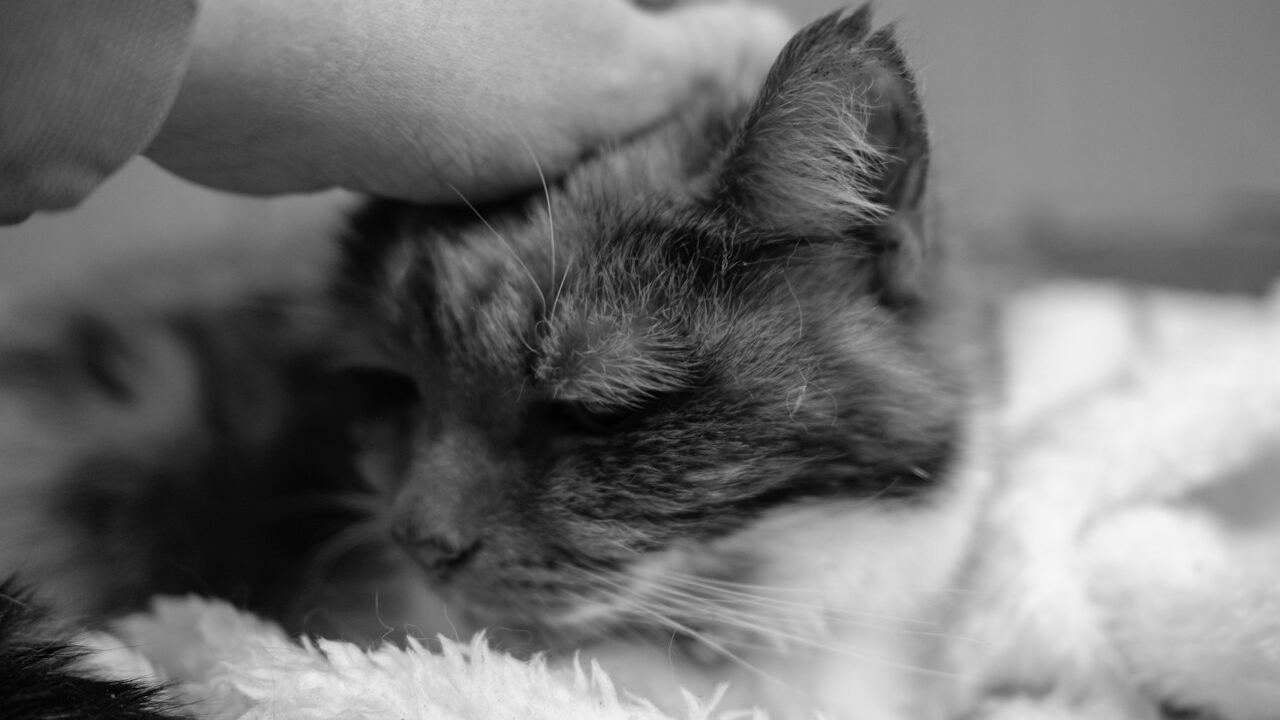
Hugging is how many children show affection, so it feels natural to hug the family dog. Many dogs tolerate it, but tolerance is not enjoyment. A hug restricts movement, puts a face close to the dog's, and can trigger a defensive reaction even in a gentle animal. The alternative is simple and just as satisfying.
Why hugs are hard for dogs
Dogs communicate through body language and space. A human hug conflicts with both.
- Dogs are not natural huggers; wrapping arms around them restricts escape.
- A face close to the dog's, plus direct eye contact, raises tension.
- A dog may freeze rather than struggle, which looks like compliance.
- Even tolerant dogs can react if startled or in pain.
How a tolerated hug can go wrong
Risk rises when an adult interprets stillness as consent.
- A dog that freezes may be suppressing a stress response.
- A sudden noise or touch can startle a dog being held.
- Children may hug from behind or lean over, increasing the startle risk.
- Dogs in pain or with anxiety are less tolerant.
What to teach instead
Give children clear, positive alternatives rather than only a 'don't.'
- Pet the dog's chest or side with an open hand, then pause.
- Sit on the floor and let the dog come to you.
- Offer a gentle scratch under the chin if the dog leans in.
- Reward the dog for choosing to stay close.
Teaching the 'consent' idea
Children can learn to notice whether the dog is still enjoying contact.
- If the dog leans in and stays loose, contact is likely welcome.
- If it turns away, licks its lips, or stiffens, stop.
- Praise the child for letting the dog go.
- Keep the rule consistent: affection is the dog's choice too.
Why this matters for your child. For a child, a hug is the biggest 'I love you' they know. Rather than simply banning it, give them a replacement they can do: sit on the floor, let the dog come over, and stroke its side. It builds the same bond with far less risk.
Frequently asked questions
My dog loves hugs. Is it still risky?
Some individual dogs genuinely enjoy close contact and seek it out. The key is that the dog chooses it and can leave. Never hold a dog in a hug that it is trying to escape.
Why does my dog stiffen when I hug it?
Stiffening often means the dog is tolerating, not enjoying, the hold. It is a sign to stop and give the dog space.
Are small dogs safer to hug?
Not necessarily. Small dogs can bite too, and being lifted and squeezed can be stressful. Handle all dogs gently and respectfully.
What if the child insists on hugging?
Offer a clear, repeatable alternative and supervise. Praise gentle petting and sitting near the dog rather than wrapping arms around it.
How can I tell if my dog wants affection?
A relaxed dog may lean in, wag loosely, and stay soft. A dog that turns away, tucks its tail, or licks its lips is asking for space.
Sources and further reading
This guide draws on public guidance from: AVMA — Pet Owner Resources CDC — Dog Bites. Links are provided for further reading; they do not imply endorsement.
Not professional advice. This guide covers general household and safety information. For your child's health or your pet's behavior and medical care, contact your pediatrician or veterinarian directly. Do not rely on a website for urgent decisions.