Rules for Kids Around Pets: Gentle Touch and Boundaries
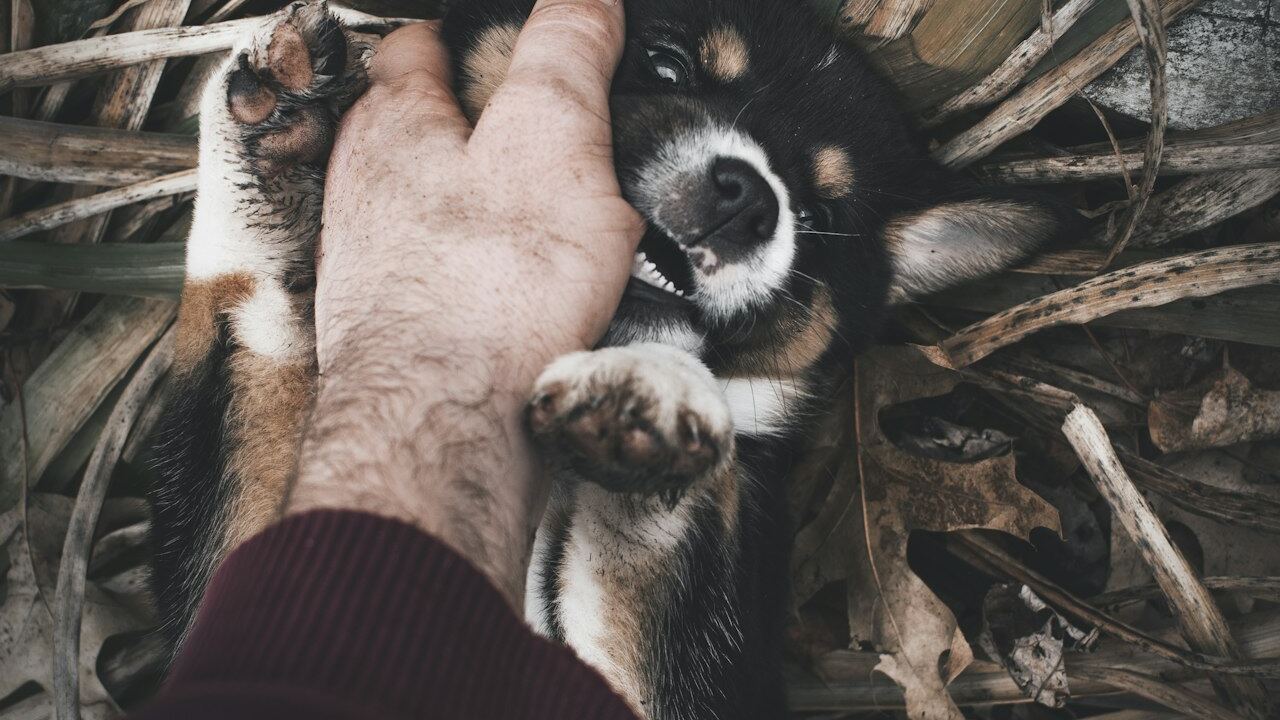
Clear, simple rules help children treat animals gently and predictably. Fair boundaries protect both the child and the pet and hold up across dogs, cats, and visiting animals. This guide gives concrete actions, age-appropriate roles, and common mistakes to avoid. It is general household guidance; behavior problems should be handled with a qualified trainer or vet.
Gentle touch rules
Children need concrete actions rather than vague instructions. Teach soft strokes along the animal's back, with no pulling, grabbing, or squeezing, and show what a calm hand looks like.
- Use an open, soft hand to stroke the back or side; avoid face, ears, and tail.
- No pulling ears, tail, whiskers, or fur; no grabbing around the neck.
- Pet for a short stretch, then let the animal move away.
- Stop touching the pet the moment it walks off or turns its head.
Respect eating and sleeping
Animals are guarded around food and rest. Children should not approach the food bowl, bother a resting animal, or take toys while the pet is using them.
- Keep a clear distance from the food bowl, treats, bones, and chew toys.
- Do not wake or reach for a pet that is asleep or in its bed.
- Leave a mother and kittens or puppies undisturbed.
- Feed the pet in a quiet spot where the child does not crowd around.
Ask before touching
With family pets and unfamiliar animals alike, the child checks with an adult and lets the animal choose to come close. Rules hold for dogs and cats and for animals at a friend's home or park.
- Ask an adult before reaching for any pet, even the family dog or cat.
- Offer a closed fist for the animal to sniff before touching.
- Step back if the animal avoids the hand or moves away.
- Never touch a pet behind a fence, in a crate, or tied up without the owner.
Keep hands and bodies safe
Rough play, climbing on the pet, riding it, or chasing it teaches the animal that handling can be uncomfortable. Structured, calm contact builds a safer relationship.
- No climbing, riding, standing on, or leaning over the pet.
- No chasing, cornering, or grabbing games; use toys instead for active play.
- No loud yelling, sudden runs, or poking near the pet's face.
- Wash hands after touching the animal, especially before eating.
Age-appropriate roles
The rules a child can follow change with age. Young children are coached on hands; older children can help with care routines under supervision.
- Infants (0–1): adult holds the baby and controls all contact; the child does not reach on their own.
- Toddlers (1–3): practice soft pats and asking; adult guides the hand every time.
- Preschoolers (3–6): follow touch and space rules, and report if the pet seems stressed.
- School-age (6+): help with feeding, brushing, and cleanup while still respecting boundaries.
Common mistakes to avoid
Rules fail when adults model rough handling or let the line slide when the pet is friendly. Consistency matters more than a long list of instructions.
- Wrong: 'Be gentle' with no demo. Right: show a soft open hand and a calm stroke.
- Wrong: Laughing at a child who pulls the tail or climbs on the pet. Right: stop it immediately and redirect.
- Wrong: Relaxing rules because the pet is friendly. Right: boundaries hold for every animal, every time.
- Wrong: Parents teasing or roughhousing the pet in front of the kids. Right: adults model the standard they expect.
Frequently asked questions
What is the most basic rule to teach a young child?
Keep hands soft and ask first. An open-hand stroke on the back or side, and a check with an adult before touching, covers most daily interactions.
Can my child play tug-of-war or chase with the pet?
Chasing and rough wrestling should be stopped. For dogs, use a tug toy held by an adult; for cats, wand toys and quiet play. Keep the pet's space and body respected.
How do I handle a child who keeps bothering a resting pet?
Teach a clear 'leave it' boundary, redirect the child to a toy or activity nearby, and keep the pet's bed out of reach during napping time. Review the rule daily.
Should rules be different for dogs and cats?
Gentle touch and space apply to both, but cats are more often disturbed by picking up and long pets. Adjust the greeting to the animal and watch its signals.
What if the child touches the pet without asking?
Calmly stop the contact, explain the rule again, and practice the ask-and-offer-hand routine. Repeated ignoring of rules means closer adult supervision.
Where this guidance comes from. We are a general parenting-and-pets editorial team, not a veterinary or pediatric practice. We cross-check our guides against public guidance from the CDC Healthy Pets, Healthy People. These are starting points for your own reading, not a diagnosis for your family or pet.
Not professional advice. This guide covers general household and safety information. For your child's health or your pet's behavior and medical care, contact your pediatrician or veterinarian directly. Do not rely on a website for urgent decisions.