It’s Not the Hair: What Pet Allergens Really Are
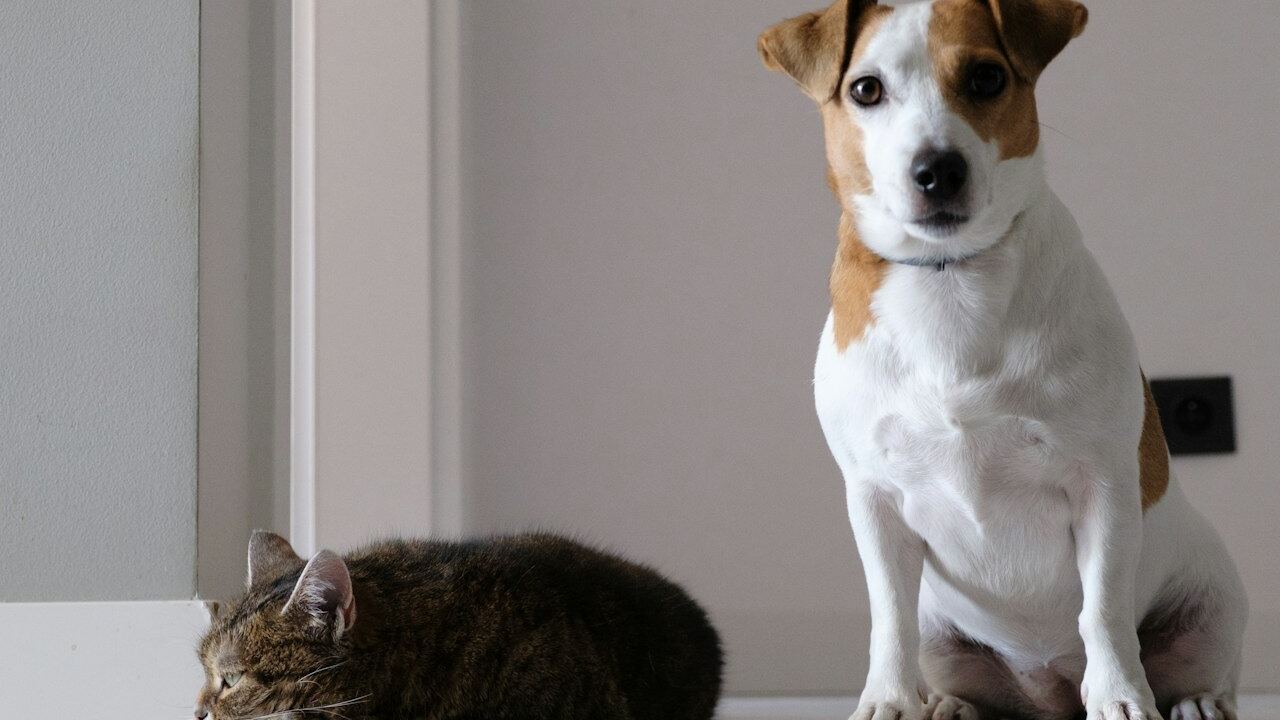
Most pet allergies come from dander, saliva, and urine proteins rather than the hair that falls out. This guide separates what actually triggers symptoms from common coat-based assumptions, and points to sensible home limits. It is general guidance, not a diagnosis.
The allergen, not the fur
Hair is a visible carrier for tiny allergen particles. The proteins that cause reactions collect in flakes of skin, saliva left on the coat, and urine, and the hair simply holds and transports them around the home.
- Dander is the main reservoir of pet allergen in most homes.
- Saliva proteins transfer to fur when the pet licks or grooms itself.
- Urine contact carries allergen onto paws and coat in some cases.
Why the “long vs short hair” test is unreliable
Coat length and shedding amount do not map cleanly onto allergy risk. A low-shedding breed can still produce dander and saliva proteins, while grooming and exposure level do the real work.
- Short coats can leave dander on floors and rugs just as long coats do.
- Doodle and poodle crosses are not guaranteed hypoallergenic.
- How often the child touches the pet matters more than the breed name.
Where children are exposed
Repeated contact usually occurs in resting spots, through direct handling, and from surfaces that have collected dander over time.
- Pet beds, couches, and favorite rugs hold accumulated allergen.
- Hands that touch the coat then touch the nose or mouth transfer particles.
- Dander on clothing, blankets, and soft toys reaches the play and sleeping area.
Age and species differences
Toddlers and young children are on the floor more and put hands in their mouths often; older children can follow handwashing rules independently. Cats and dogs differ in how allergen travels through the air.
- Cat allergen tends to remain airborne longer and bind to fabrics.
- Dog dander settles more onto floors and upholstery.
- Young children need adults to manage cleaning and contact boundaries.
Common mistakes to avoid
Coat-focused assumptions often lead families to the wrong fix.
- Do not choose a pet purely by shed amount; check dander and saliva exposure instead.
- Do not assume a pet is safe because it does not shed much.
- Do not keep a pet in the child’s bedroom and expect symptoms to stay mild.
When to seek professional input
If symptoms keep recurring around the pet, a pediatrician or allergist can confirm the trigger and advise management. Cleaning habits support that plan.
- Repeated rash, itchy eyes, runny nose, or wheeze after contact.
- Symptoms that disturb sleep, school, or play.
- Uncertainty about whether the pet or another allergen is the cause.
Frequently asked questions
What part of the pet causes the allergy?
Dander, saliva, and urine proteins cause the reaction; hair mainly carries and spreads those particles. The fur itself is not the trigger.
Are hairless or low-shedding pets allergy-safe?
Not guaranteed. They still produce dander and saliva proteins, and grooming and exposure matter more than coat appearance.
Can you be allergic to fur but not dander?
Symptoms are overwhelmingly tied to dander and saliva proteins, not the hair itself. The visible hair is a carrier, not the allergen source.
Why does a clean house still trigger allergies?
Dander settles into carpets, upholstery, and bedding and persists between cleanings. Regular surface and fabric cleaning lowers but does not remove the allergen.
Should we rehome the pet over allergy?
Rehoming is a last-resort decision. Most families manage allergy with exposure control, cleaning, and clinical guidance; discuss the situation with a pediatrician first.
Not professional advice. This guide covers general household and safety information. For your child's health or your pet's behavior and medical care, contact your pediatrician or veterinarian directly. Do not rely on a website for urgent decisions.