Pet Loss Books for Children by Age
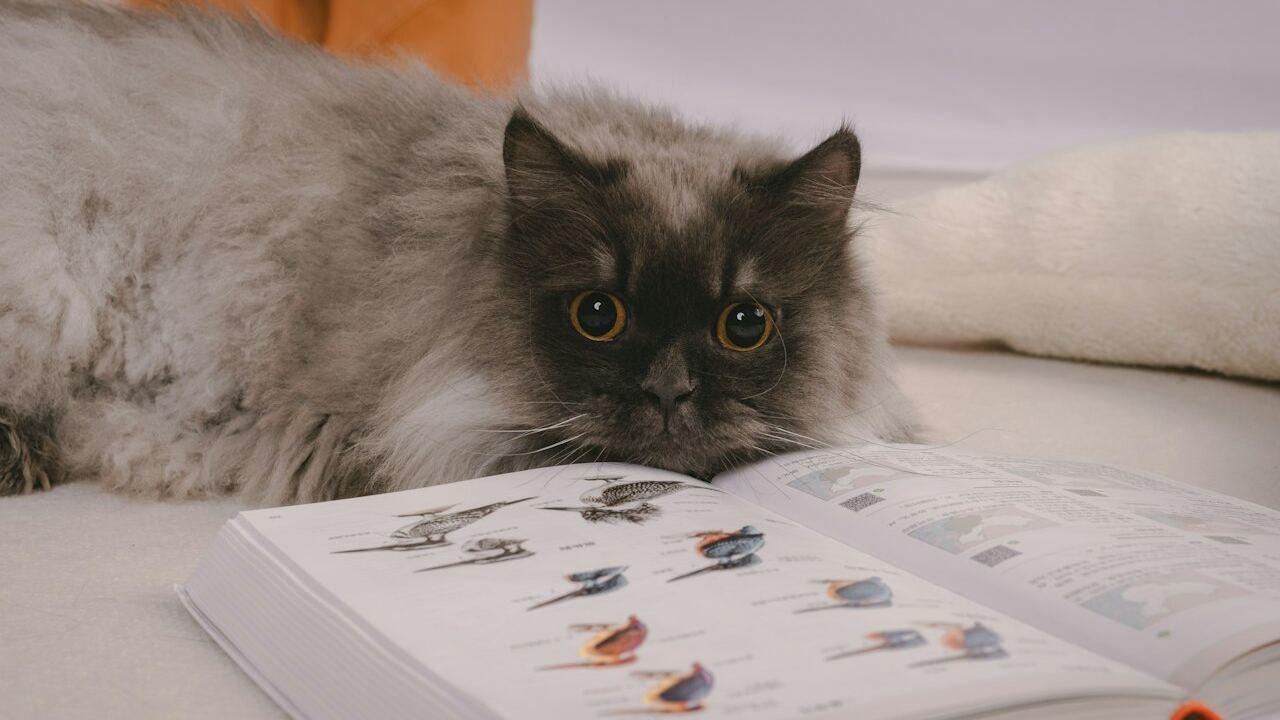
Books can help children name feelings and talk about a pet’s death, but the right choice depends on the child’s age and how they grieve. This guide suggests what to look for and how to use a book with the family. It is general guidance, not a clinical recommendation.
What a good pet-loss book offers
A supportive book speaks honestly about death, validates sadness, and lets a child know their feelings are normal. It should match the child’s attention span and understanding of permanence.
- Look for plain language about the pet dying and missing it.
- Books that allow different feelings, not only a happy ending.
- Simple illustrations for young children, more detail for older kids.
- A good book acknowledges the bond a child had with their pet — whether a dog, a cat, or another companion animal — without naming a particular breed.
Books for toddlers and preschoolers
Children 3–5 benefit from short, picture-led stories that name sadness and repeat that the pet will not return. Read together and pause for questions rather than pushing through.
- Choose a few pages and simple, concrete messages.
- Use the book to bring up the pet’s memories and stories.
- Allow silence or play after reading instead of expecting a response.
Books for school-age children
Children 6–9 can follow longer stories about illness, goodbye, and remembering a pet, and may connect with characters who feel guilt or missing their animal.
- Pick books that discuss rituals, memories, and talking to others.
- Read alongside the child and discuss which feelings match theirs.
- Use the story to invite questions about the family’s own pet.
Books for older children and teens
Older readers can handle more abstract themes: permanent loss, grief over time, and the place the pet holds in the family’s memory. Offer choices rather than assigning a book.
- Choose titles that respect the teen’s maturity and questions.
- Let the child read privately or share the book together as they prefer.
- Connect the book to real rituals, photos, or a memory keepsake.
Common mistakes to avoid
Choosing a book that is too old, too sentimental, or avoiding the topic altogether can leave a child without words for their grief.
- Do not pick a story that hides death behind a euphemism.
- Do not force the child to read before they are ready.
- Do not treat one book as the whole grief support plan.
Pairing books with real support
Books work best alongside honest conversation, family rituals, and professional help if grief persists or weighs on the child.
- Build a memory book, photo album, or drawing together.
- Notice repeated sadness, guilt, or withdrawal after the loss.
- Seek a pediatrician, counselor, or grief group when needed.
Frequently asked questions
What books help a child cope with pet loss?
Look for honest stories about death and missing the pet, validating sadness, and matching the child’s age. Read together, pause for questions, and pair the book with memories and rituals.
Are there pet loss books for toddlers?
Yes, choose short picture-led books with concrete messages about the pet dying and being missed. Read slowly and allow the child questions or play rather than expecting a response.
What should an older child read after a pet dies?
Stories about permanent loss, goodbye rituals, and remembering a pet suit school-age and teen readers. Offer choices, and connect the book to photos, keepsakes, or family talk.
Can a book replace talking about the loss?
No. A book gives words and a frame for feelings, but honest conversation, family rituals, and professional support when grief persists are what carry the child through.
When should we seek help beyond books?
If sadness, guilt, withdrawal, or trouble sleeping and school persist for weeks, or the child blames themselves for the pet’s death, contact a pediatrician, counselor, or grief support.
Not professional advice. This guide covers general household and safety information. For your child's health or your pet's behavior and medical care, contact your pediatrician or veterinarian directly. Do not rely on a website for urgent decisions.