Creating a Safe Retreat for the Pet Away From Children
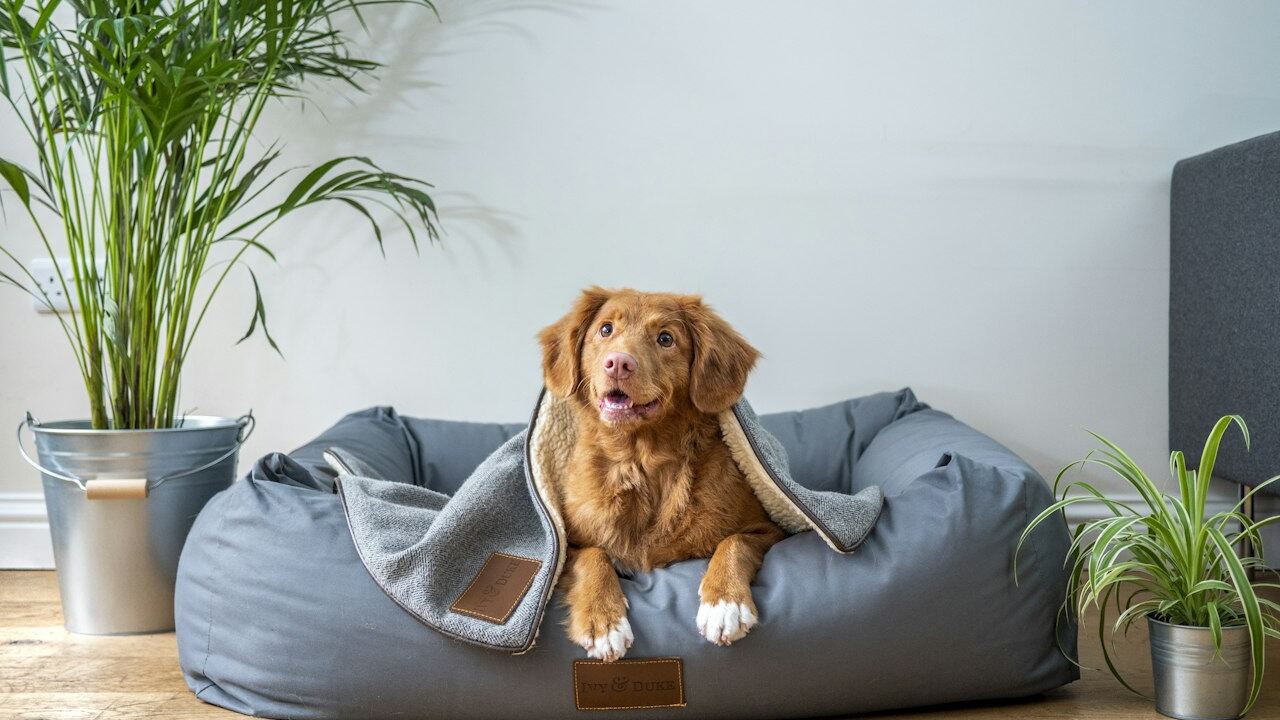
Every dog and cat needs a space it can use without pressure: a quiet bed, crate, or room where the child cannot crowd or grab. A proper retreat lowers stress, prevents warnings, and helps the animal settle during busy family moments. This guide sets up the zone, chooses what goes in it, and respects the pet's space over time.
Why a retreat matters
Animals need a place to rest that is their own. When a pet has a reliable escape from noise, running, and grabbing, it is less likely to feel trapped or warn the children.
- Give the animal a predictable spot it can go to whenever it feels overwhelmed.
- A retreat reduces guarding and stress during playdates and busy evenings.
- The pet should rest without being poked, hugged, or chased in its space.
- Calm time in the retreat builds the animal's confidence around the family.
Choose the right location
The retreat should be quiet, low-traffic, and away from the main running loop, while still letting the pet stay near the family if it chooses.
- Pick a corner of the living room, a spare room, or a quiet hallway that is not a throughway.
- Place it away from the toy box, TV noise, and the high chair.
- Give cats a high perch or shelf as an escape upward from toddlers.
- Keep the retreat away from drafts, direct sun, and busy doorways.
Set up the comfort zone
A good retreat has soft bedding, water, and a familiar item, and feels safe rather than enclosed. The animal should choose to enter it.
- Add a washable bed or mat, a blanket, and a favorite toy or chew.
- Keep fresh water within reach of the resting spot.
- Use a crate as a retreat only if the pet is comfortable going in voluntarily.
- Include a familiar scent from home to make the space feel steady.
Protect the retreat by age
Children's access to the retreat changes with age; the rule that the pet's space is off-limits holds from infancy through the preschool years.
- Infants (0–1): the retreat stays outside the sleep area; adults control all contact.
- Toddlers (1–3): gate or screen the retreat so the child cannot climb in or disturb the pet.
- Preschoolers (3–6): learn to leave the pet alone when it rests in its bed.
- School-age (6+): respect rest time; still no climbing on the bed or grabbing toys there.
Species and size differences
Dogs and cats retreat differently, and size affects how the space is protected. Small animals can be stepped on; large dogs need a bed that holds their weight.
- Dogs: a bed, crate, or quiet corner near the family; protect it from busy children.
- Cats: an elevated perch, cat tree, or quiet room where they are out of reach.
- Small dogs: a raised bed prevents stepping on and being grabbed.
- Large breeds: a sturdy, washable bed that supports their size and weight.
Common mistakes to avoid
Retreats fail when they are placed in the busy middle, treated as punishment, or the children are allowed in freely. The space should feel safe and owned by the animal.
- Wrong: Putting the dog bed next to the toy box. Right: a quiet corner away from running.
- Wrong: Crating the pet as a penalty. Right: a voluntary retreat with comfort and water.
- Wrong: Letting the toddler climb into the bed. Right: gate or screen the resting zone.
- Wrong: Removing the retreat when visitors arrive. Right: keep the escape available during loud visits.
Frequently asked questions
Does my pet need a whole room?
Not necessarily. A quiet corner, sturdy bed, or crate used as a voluntary retreat works. The key is that the animal can rest undisturbed and leave family play on its own.
Should the retreat be near the family?
It can be near the family in a low-traffic corner. Many pets want to stay close; what matters is a spot they are not crowded or disturbed in.
Is a crate a safe retreat?
Yes, if the pet enters voluntarily and the crate has bedding and water. Never use it as punishment, and introduce crate time gradually with calm and rewards.
How do I teach my toddler not to disturb the pet's bed?
Gate or screen the bed, model leaving the resting pet alone, and redirect the child to a toy nearby. Keep the pet's space respected every time.
What if the pet hides all the time?
Occasional hiding is normal; constant withdrawal, avoidance, or stress around children may need a vet or qualified trainer. Review the setup and the animal's comfort.
Where this guidance comes from. We are a general parenting-and-pets editorial team, not a veterinary or pediatric practice. We cross-check our guides against public guidance from the CDC Healthy Pets, Healthy People. These are starting points for your own reading, not a diagnosis for your family or pet.
Not professional advice. This guide covers general household and safety information. For your child's health or your pet's behavior and medical care, contact your pediatrician or veterinarian directly. Do not rely on a website for urgent decisions.