Spaying or Neutering a Family Pet: Key Considerations
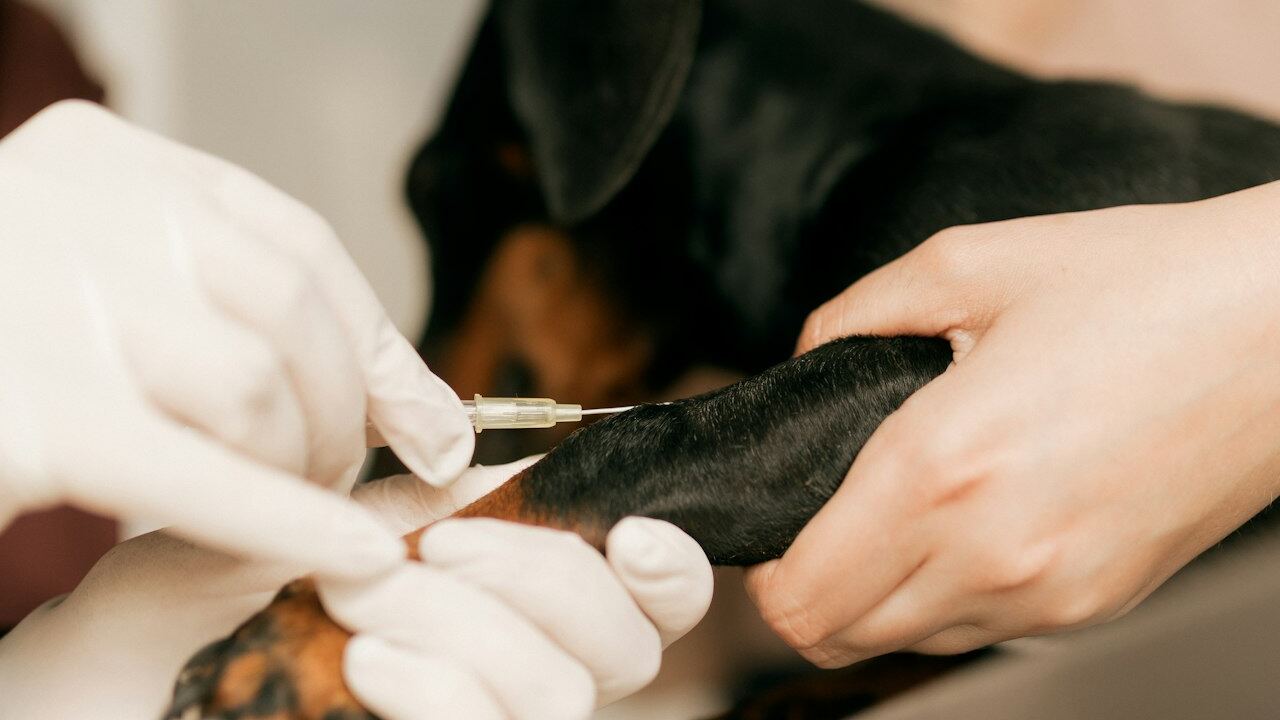
Spaying and neutering are common routine surgeries to prevent reproduction and support long-term pet health. This guide explains the terms, the main considerations for a household with children, and what to discuss with a veterinarian. It is general information; the decision and timing belong to the pet’s vet, and this site does not prescribe procedures.
What spay and neuter mean
Spaying is the surgery for female pets; neutering is the common term for surgery in male pets. The procedures are performed under anesthesia by a veterinarian, with post-op rest and care at home.
- Ask your vet what the surgery, recovery, and follow-up involve for your pet’s species and age.
- Understand that recovery needs rest, limited rough play, and supervised time.
- Discuss any existing health concerns before scheduling the procedure.
Reasons families consider the procedure
Families weigh prevention of unplanned litters, behavior changes tied to breeding cycles, and reduced risk of certain reproductive conditions, which varies by species and sex.
- Prevent unplanned litters and the pressures of breeding cycles at home.
- Discuss condition-specific risks with the vet for your pet’s sex and species.
- Support a calmer, more predictable household as the pet settles into routines.
How timing fits your family
Timing depends on the pet’s species, breed, age, and health; your veterinarian will advise on the right point. Plan around household rhythms: recovery needs rest and limited rough play.
- Consider whether the pet is a puppy or kitten, adult, or senior.
- Line up quiet rest space and supervision with young children.
- Ask the vet about recovery length and activity limits for your pet.
Preparing the home after surgery
Provide a quiet recovery space away from active toddlers and pets. Follow the vet’s instructions on activity, food, wound care, and any medications.
- Watch for swelling, redness, poor appetite, or signs of discomfort.
- Contact the vet if the pet will not eat, seems in pain, or bothers the site.
- Keep young children from grabbing or playing with the recovering pet.
Children’s involvement and boundaries
Explain the pet is resting and needs gentle, calm contact during recovery. Supervise all contact, and keep rough play off the schedule until the vet clears the pet.
- Toddlers need adult guidance to keep hands gentle during recovery.
- Older children can help with quiet care and following the vet’s routine.
- Model calm, quiet handling around the resting pet.
Common mistakes to avoid
Treating the decision as one-size-fits-all overlooks species and age differences. The safer path is a vet discussion plus careful post-op follow-through.
- Wrong: Using a fixed schedule for every pet. Right: discuss species and age specifics with the vet.
- Wrong: Letting children play rough during recovery. Right: protect rest and the surgical site.
- Wrong: Skipping follow-up or post-op instructions. Right: follow the vet’s plan and ask questions.
Frequently asked questions
When should I spay or neuter my pet?
Timing varies by species, breed, age, and health; ask your veterinarian for a recommendation rather than using a fixed schedule.
Is spaying/neutering safe?
Routine procedures are common veterinary surgeries, but like any anesthesia procedure they carry considerations your vet can explain for your individual pet.
Will it change my pet’s personality?
Behavior can change as hormonal cycles settle, but individual temperament and training remain; discuss expectations with the vet.
How long does a pet need to recover?
Recovery length depends on the species and procedure; follow your vet’s post-op rest and activity limits and supervise contact with children.
What should my children know about the surgery?
Keep it simple: the pet had a vet procedure and needs quiet rest; show gentle hands and avoid rough play until the vet clears the pet.
Not professional advice. This guide covers general household and safety information. For your child's health or your pet's behavior and medical care, contact your pediatrician or veterinarian directly. Do not rely on a website for urgent decisions.