Maine Coons as Family Cats
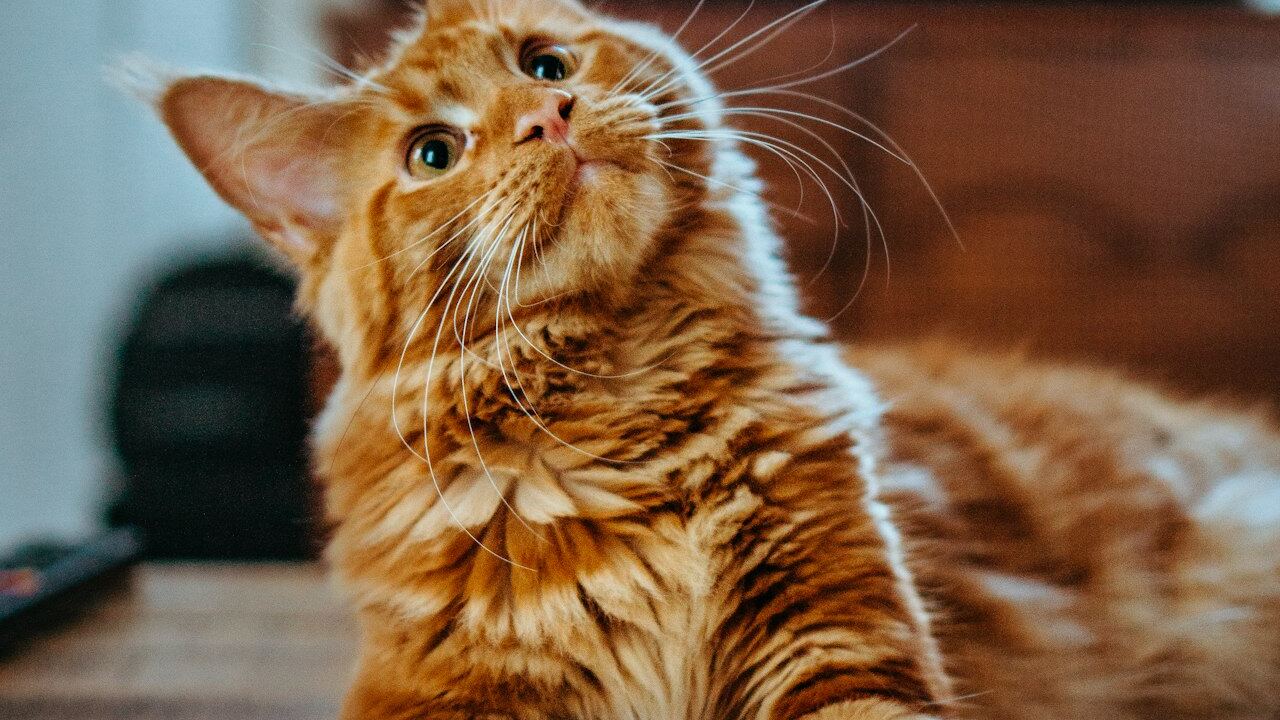
Maine Coons are large, sociable cats often described as gentle with family life, but their size, coat, and activity needs require planning in a home with children. This guide gives an honest family-fit view. It is general breed information, not a veterinary guarantee.
Temperament with children
Maine Coons are typically friendly and interactive, often following family members around and joining low-key activities. They still need space to leave contact when they have had enough.
- They may tolerate petting and stay near the family group.
- Stress signals such as tail flicks or withdrawal mean stop contact.
- Young children need adult supervision for gentle handling.
Size and space
As a large long-bodied breed, a Maine Coon benefits from room to stretch, sturdy perches, and roomy feeding and litter areas that fit its frame.
- Large cats need sturdy scratching posts and elevated spots.
- Spacious litter boxes suit their size better than small trays.
- Small apartments can work if activity and resting spots are planned.
Coat and grooming
The long coat tangles and sheds, needing regular brushing to control mats and loose hair around the home.
- Weekly grooming prevents matting around the belly and legs.
- Dander and saliva remain despite brushing, so allergies should be checked.
- Bedding and upholstery need regular cleaning in a long-haired home.
Cat vs dog considerations
Cats manage contact on their own terms and retreat when done; family children must learn not to chase or corner them. Supervision applies to either species in a home with young kids.
- A cat that hides should be left in its safe retreat.
- Toddlers should not be lifted to carry the cat without guidance.
- Assess household allergies before adopting any breed.
Common mistakes to avoid
Choosing a large breed without planning for grooming, space, and sturdy equipment is a frequent error.
- Do not assume a friendly cat accepts rough or prolonged handling.
- Do not skip regular coat brushing.
- Do not leave small children unsupervised with the cat.
When to check the fit
Before adopting, weigh space, allergies, and the child’s age; a vet or rescue contact can describe a specific cat’s reaction to children.
- Allergic or asthmatic household members.
- Young children who grab or restrain animals.
- Limited time for grooming and home cleaning.
Frequently asked questions
Are Maine Coons good with families and children?
They are typically sociable and gentle, often adapting to family life, but children must respect the cat’s boundaries. Supervision is required, especially with toddlers.
Do Maine Coons need a lot of space?
They are large active cats that benefit from room to stretch, sturdy perches, and roomy litter and feeding areas, though apartments can work with planned activity spots.
Are Maine Coons hypoallergenic?
No cat breed is reliably allergy-free. They still produce dander and saliva proteins, and their long coat may carry loose hair around the home.
How much grooming does a Maine Coon need?
Regular brushing is needed to prevent mats and control shedding. Weekly grooming and fabric cleaning keep the home manageable.
Can a Maine Coon live with a young child?
Yes, with adult supervision and gentle-contact rules. The child must learn to stop if the cat withdraws, and never chase, corner, or restrain the animal.
Not professional advice. This guide covers general household and safety information. For your child's health or your pet's behavior and medical care, contact your pediatrician or veterinarian directly. Do not rely on a website for urgent decisions.