Ragdolls and Kids: Temperament and Care
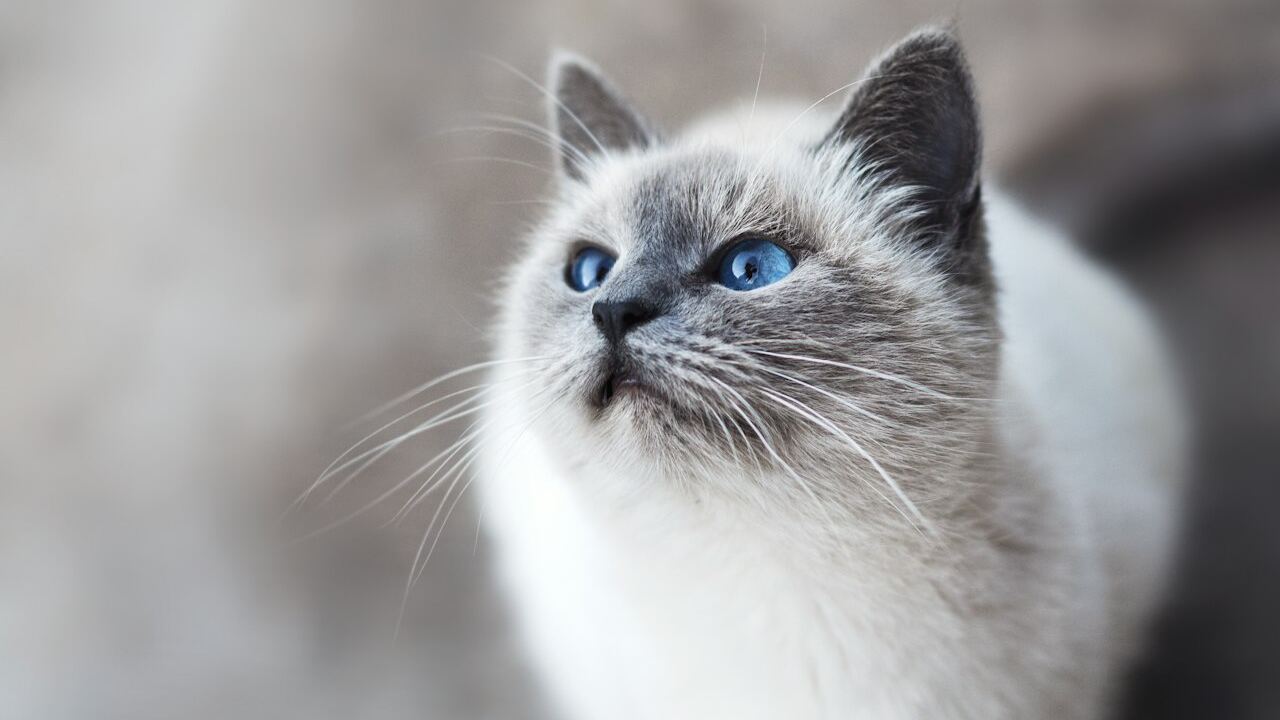
Ragdoll cats are known for being calm and people-oriented, often tolerating gentle family contact, but they still need respect for their boundaries and regular coat care. This guide gives an honest family-fit picture. It is general breed information, not a veterinary guarantee.
Temperament around children
Ragdolls tend to be relaxed and attached to people, often staying nearby during family activity. Even tolerant cats should not be forced into holding or contact when they signal they are done.
- They may enjoy being near the couch or family lap contact.
- Flattened ears, tail flicks, or withdrawal mean the contact should stop.
- Supervision keeps young children’s handling gentle and short.
Coat and grooming
The medium-long coat needs regular brushing to prevent mats and manage loose hair and dander around the home.
- Weekly brushing removes tangles and loose undercoat.
- Dander and saliva remain despite grooming, so allergies should be assessed.
- Bedding and soft surfaces need regular cleaning in a long-haired household.
Home environment
Ragdolls adapt well to indoor family life, but they need safe resting spots, climbing or perching options, and protection from rough unpredictable handling.
- Provide a quiet retreat the cat can leave to when children play.
- Offer a high perch or scratching area away from the main play zone.
- Keep litter, food, and water away from toddler reach.
Cat vs dog considerations
Cats set clear personal boundaries and often walk away when finished; dogs may respond to play energy and need training around greeting jumps. Supervision applies to either.
- A child should not chase or corner a cat that withdraws.
- Young children need adults to manage gentle contact and petting direction.
- Allergies in the family should be reviewed before adopting.
Common mistakes to avoid
Assuming a tolerant cat accepts endless holding or rough handling is the main error.
- Do not let children carry or hug the cat against its signals.
- Do not skip regular brushing, which the coat depends on.
- Do not leave toddlers unsupervised with the cat.
When to check the fit
Before adopting, consider allergies, space, and the child’s age; a vet or rescue contact can describe a specific cat’s comfort with kids.
- Household members with allergies or asthma.
- Young children who may grab fur or restrain the cat.
- Limited time for regular coat brushing and home cleaning.
Frequently asked questions
Are Ragdolls good with kids?
They are generally calm and people-oriented and can tolerate gentle contact, but children must learn to respect a cat’s boundaries. Supervision remains required, especially with toddlers.
Do Ragdolls shed a lot?
Their long coat sheds and mats without regular brushing. Weekly grooming and fabric cleaning keep loose hair and dander manageable around the home.
Are Ragdolls hypoallergenic?
No cat breed is reliably allergy-free. Ragdolls still produce dander and saliva proteins; allergies in the family should be assessed before adopting.
Can a Ragdoll be left alone all day?
They are social cats that prefer company, and do best when not left isolated for long stretches. Provide safe resting spots and environmental stimulation indoors.
How should children handle a Ragdoll?
Short, gentle petting while the cat chooses to stay nearby; stop if the cat withdraws or shows stress signals, and never carry or restrain it against its will.
Not professional advice. This guide covers general household and safety information. For your child's health or your pet's behavior and medical care, contact your pediatrician or veterinarian directly. Do not rely on a website for urgent decisions.