Parent-Child Games That Bond Kids and Pets
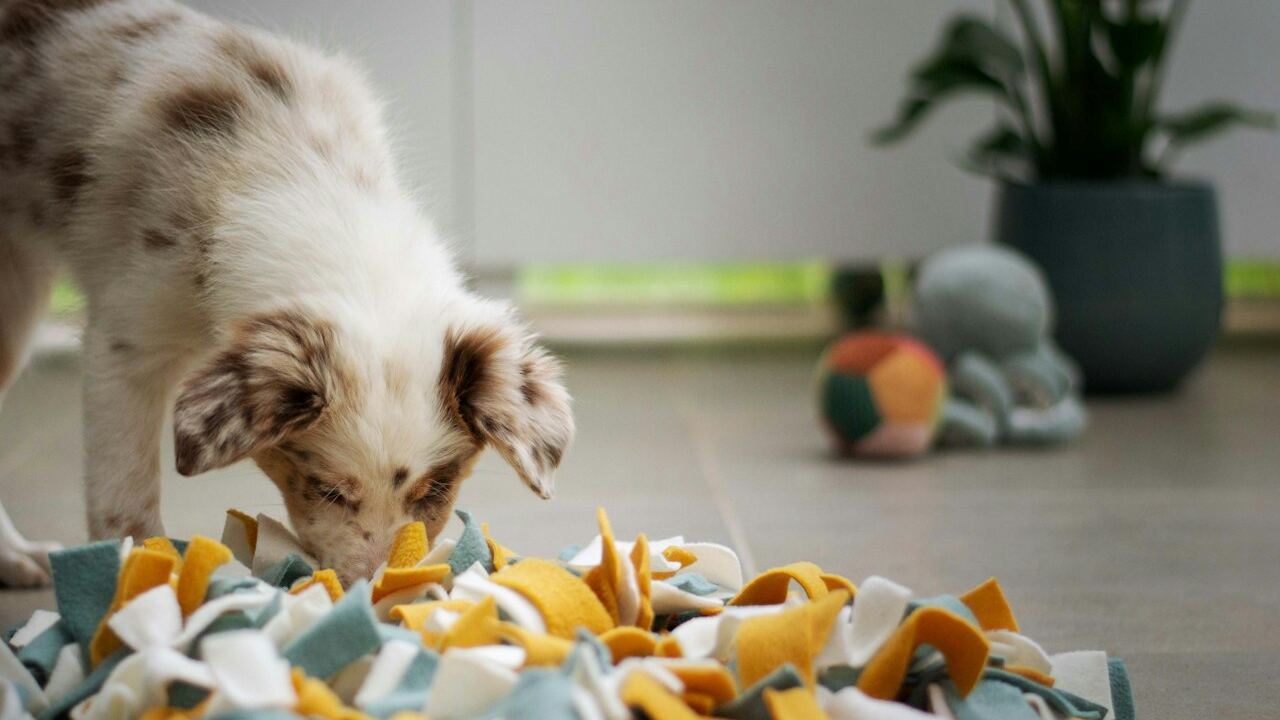
Shared gentle play helps children and pets build trust, burn energy, and enjoy time together. The right games stay calm, supervised, and matched to the animal's type and the child's age. This guide picks safe activities, sets play boundaries, and avoids rough or overstimulating play. It is general family guidance.
What makes a good shared game
A safe play activity has soft contact, a clear end, and an animal that can leave. Games that build trust are calm enough for the child to learn gentle handling while the pet stays comfortable.
- Use toys rather than hands for tug, chase, and mouthing play.
- Keep sessions short and end before the pet gets overexcited.
- Let the animal choose to join and walk away when it has had enough.
- Watch for relaxed body language throughout the game.
Games by age stage
How children play with the pet changes with maturity. Young toddlers copy and touch; older kids can follow simple game rules and gentle cues.
- Toddlers (1–3): soft pats and quiet together time, guided by an adult; no chasing or grabbing games.
- Preschoolers (3–6): simple fetch, gentle brushing, and offering toys under supervision.
- School-age (6+): follow a toy-based game, take turns, and read when the pet wants a break.
- Keep every session adult-watched until the child plays gently and predictably.
Dogs and cats play differently
The right game depends on the species. Dogs may enjoy fetch, tug, and scent games; cats prefer wand toys, pouncing, and chasing small objects.
- Dogs: retrieve games, a soft tug held by an adult, and scent or puzzle activities.
- Cats: wand toys, crinkle balls, and chase toys; avoid grabbing or holding the cat.
- Puppies and kittens mouth and jump; keep play brief and redirect to a toy.
- Senior pets prefer calm, short interaction and rest breaks between games.
Set play boundaries
Boundaries protect the pet and the child. Clear rules about touching, eating, and resting keep play from turning into roughhousing or resource competition.
- No climbing, riding, standing on, or leaning over the pet.
- Do not play near food, beds, or toys the pet guards.
- End the game at the first stiffening, chasing, or overexcited bark.
- Keep hands and toys away from the baby's floor and sleep area.
Turn play into connection
Shared games build attachment when they are predictable and kind. A regular short play time, praise for gentle hands, and calm goodbyes strengthen the bond.
- Keep a familiar daily play session the pet can expect.
- Praise soft handling and waiting turns during the game.
- After play, give the pet water and a quiet cool-down.
- Talk about the pet's mood so children notice how play affects it.
Common mistakes to avoid
Play problems come from rough wrestling, hands as toys, or letting the game run too long. Toy-based, calm, short games keep everyone safe.
- Wrong: Wrestling or roughhousing the dog in front of the kids. Right: use toys and keep play calm.
- Wrong: Letting the toddler chase or hug the cat. Right: quiet offered-hand greetings only.
- Wrong: One long exciting play session. Right: short sessions that end on a calm note.
- Wrong: Using bare hands for tug or mouthing. Right: keep a toy between hand and pet.
Frequently asked questions
What game is safe for a toddler and pet?
Quiet together time and guided soft pats, with an adult holding the situation. Avoid chasing, hugging, and grabbing; introduce simple toy games later under supervision.
Is tug-of-war okay with the family dog?
Only a soft toy held by an adult, with clear rules and no pulling on the child. Stop if the dog gets stiff, overexcited, or guards the toy.
How do I play with a cat and child?
Use a wand toy or chase ball, let the cat pounce, and never hold or chase the cat. Keep the cat's exit open and end before it swats or withdraws.
How long should a play session last?
Keep sessions short and end calmly before overstimulation. A few minutes at a time works better than one long, rough session that turns noisy.
Can play help a shy pet bond?
Yes, at the pet's pace. Offer a low-pressure toy game, reward relaxed contact, and let the animal leave. A shy pet builds trust through calm, repeated gentle experiences.
Where this guidance comes from. We are a general parenting-and-pets editorial team, not a veterinary or pediatric practice. We cross-check our guides against public guidance from the CDC Healthy Pets, Healthy People. These are starting points for your own reading, not a diagnosis for your family or pet.
Not professional advice. This guide covers general household and safety information. For your child's health or your pet's behavior and medical care, contact your pediatrician or veterinarian directly. Do not rely on a website for urgent decisions.