How Pets Help Children Build Empathy and Care
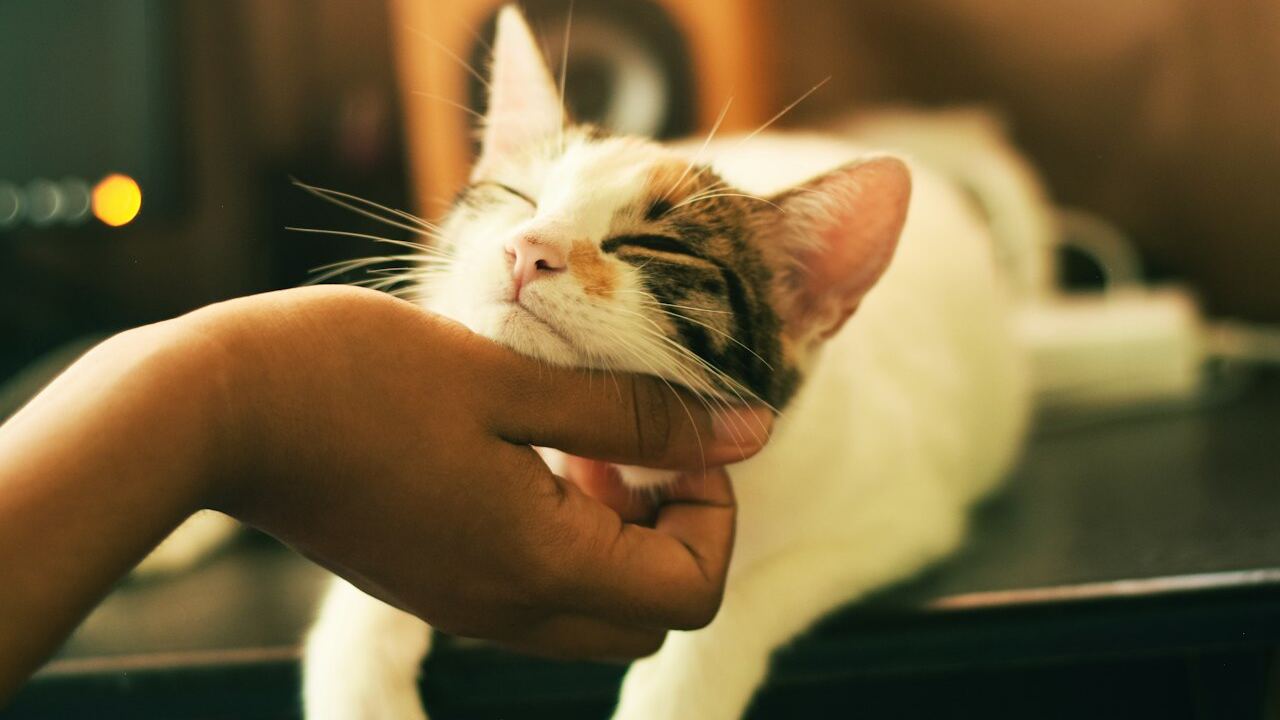
Caring for an animal gives children practice in noticing another being's needs, feelings, and boundaries. That practice supports empathy as they grow, but it develops through adult guidance rather than automatically. This guide connects reading pet signals, gentle care, and kindness to how children relate to others.
Reading another being's signals
Children learn to watch body language: a relaxed dog, a swishing cat tail, an animal that wants space. Noticing these cues trains them to read others' feelings before acting.
- Practice reading calm versus stressed signals in the pet.
- Notice when the animal wants to be left alone or steps away.
- Match touch and closeness to the pet's current mood.
- Talk out loud about what the body language might mean.
Taking responsibility for another
Age-appropriate care helps children see that their actions affect a living thing. Even small, supervised chores build a sense of responsibility and care.
- Share simple care tasks under adult supervision, matched to the child's age.
- Learn that regular feeding, water, and rest matter to the pet.
- Feel the result of helping and looking after another animal.
- Understand that the pet depends on the family for basic needs.
Kindness as a habit
Gentle handling around pets sets a pattern of kindness that carries into friendships and family life. Adults model the calm, respectful tone they want to see.
- Reward soft, gentle handling and considerate contact.
- Model quiet respect for the animal's space and rest.
- Name the pet's possible feelings: tired, scared, happy, needing space.
- Avoid teasing, chasing, or roughhousing the animal in front of the children.
Empathy grows with age
These lessons land gradually. How a child reads and responds to the pet changes through toddler, preschool, and school-age stages, with adults guiding each step.
- Toddlers (1–3): copy gentle touch and watch the adult's hands; no independent care.
- Preschoolers (3–6): notice basic signals and name the pet's mood.
- School-age (6+): anticipate the pet's needs and help with regular care.
- Continue supervising contact and correcting rough behavior calmly.
Dogs, cats, and individual temperaments
Pets express feelings differently by species and personality. A child learns to read the individual animal rather than apply one idea to all pets.
- Dogs signal through body, ears, tail, and mouth; cats through tail, ears, and withdrawal.
- Some animals are outgoing and tolerate more contact; others are reserved and need space.
- Shy or rescue pets teach patience and slower, quieter approaches.
- Breed and temperament tendencies are not a guarantee; read the pet in front of you.
Common mistakes to avoid
Empathy does not grow by leaving a child alone with the pet or assuming the animal teaches it. Adult guidance, gentle modeling, and clear rules make the connection real.
- Wrong: 'Having a pet will make the child kind.' Right: kindness develops through guided gentle contact.
- Wrong: Letting the child roughhouse and calling it play. Right: correct grabbing and chasing early.
- Wrong: Expecting a toddler to read body language on their own. Right: coach signals step by step.
- Wrong: Praising the pet alone for being patient. Right: praise the child's gentle, thoughtful handling.
Frequently asked questions
At what age does a child show empathy toward pets?
Early signs appear in the preschool years, but understanding grows gradually. Adults guide handling and help name the pet's feelings at each stage.
Does having a pet make a child more empathetic?
A pet offers real practice with care and boundaries, but empathy still develops through adult guidance. The animal is a chance to learn, not a guarantee.
How do I teach my child to notice when the pet needs space?
Point out calm and stressed signals in real life, name the mood, and let the pet leave when it chooses. Praise the child for backing off and giving space.
What if my child is rough with the pet?
Stop the contact, redirect to a gentle action or toy, and supervise closely. Persistent grabbing, hitting, or chasing should be coached with an adult every time.
Can a shy or anxious pet help build empathy?
Yes, with guidance: a reserved pet teaches patience, quiet approaches, and respect for boundaries. Keep contact brief and let the animal set the pace.
Where this guidance comes from. We are a general parenting-and-pets editorial team, not a veterinary or pediatric practice. We cross-check our guides against public guidance from the CDC Healthy Pets, Healthy People. These are starting points for your own reading, not a diagnosis for your family or pet.
Not professional advice. This guide covers general household and safety information. For your child's health or your pet's behavior and medical care, contact your pediatrician or veterinarian directly. Do not rely on a website for urgent decisions.