Where to Place Your Pet's Bed for Rest and Safety
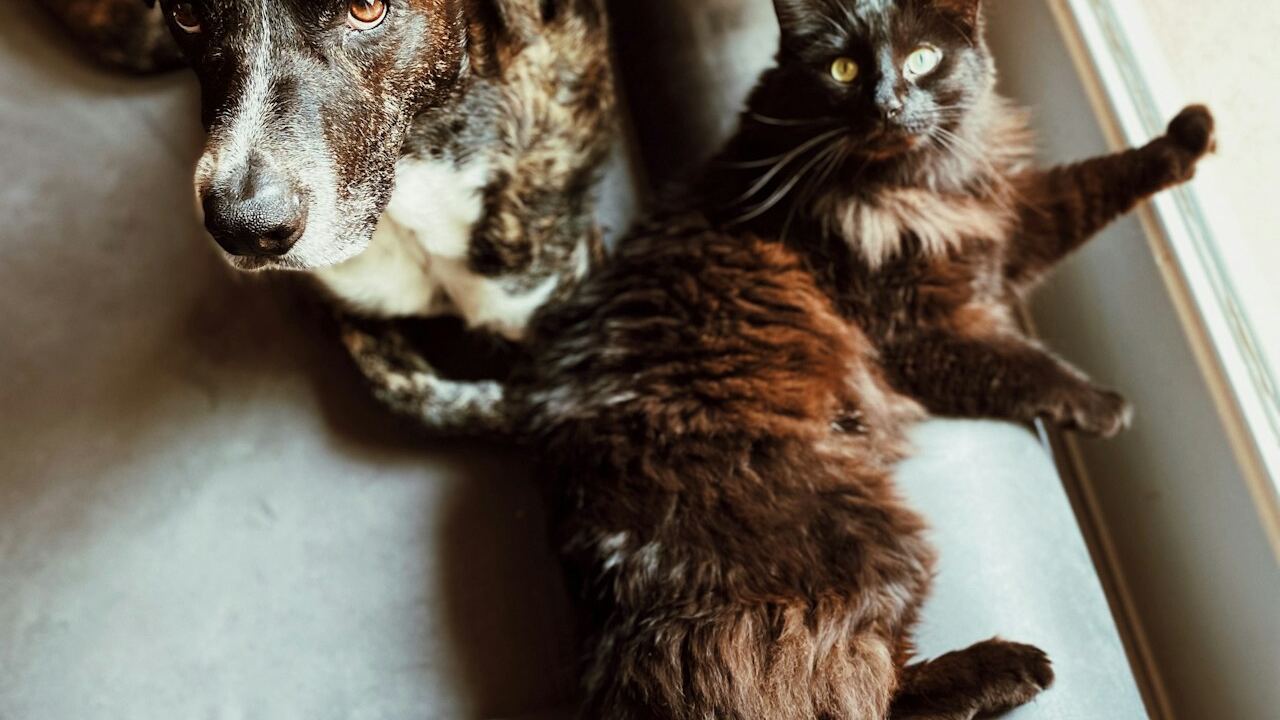
A pet's bed should sit in a quiet, protected corner away from running toys and high chairs, so the animal can rest undisturbed. Placement near routine but outside the play path lowers stress and protects rest. This guide covers bed location and daily setup. It is general home guidance.
Pick a quiet resting corner
The bed belongs in a low-traffic spot where the pet can see the family without being stepped on. Avoid the busiest room center and doorways.
- Choose a corner away from running, toy tossing, and high chairs.
- Keep the bed off main walking paths and stair openings.
- Place it where the pet can observe calmly without crowding.
- Provide familiar bedding that smells like the animal.
Keep the bed away from supplies
Rest should be separated from food, water, litter, and grooming stations. Mixing rest with supplies raises guarding and disturbance around children.
- Place the bed apart from the feeding and water bowls.
- Keep it away from the litter box and scooping area.
- Store chews and toys outside the resting spot.
- Do not use the bed as the pet's feeding or play station.
Protect the retreat
A bed the child cannot reach freely keeps the pet's rest zone respected. Gates or boundaries signal that the spot is for undisturbed sleep.
- Set a gate or clear boundary around the rest area.
- Keep toddlers from climbing onto or sleeping in the pet's bed.
- Check that the bed is not blocked by coats, bags, or furniture.
- Let the pet leave the bed without being followed.
Comfort and cleaning
Bedding should be soft, washable, and kept dry. Regular washing removes fur, dander, and odors and keeps the resting spot healthy for both household and pet.
- Use a washable cover or blanket over the bed.
- Launder bedding on a routine schedule to cut dander and hair.
- Check the bed for dampness, dirt, or worn padding.
- Replace a bed that has lost cushion or holds odors.
Age and species fit
Dogs often rest near family activity; cats seek higher or quieter spots. Both need a bed outside the child's play path, with access to water.
- Dogs: place a bed or crate in a quiet side corner, away from meals.
- Cats: offer a low bed or high perch outside the running zone.
- Toddlers (1–3): keep the bed gated or out of grab reach.
- Puppies and seniors: protect extra rest time and a soft spot.
Common mistakes to avoid
Bed placement fails when the rest spot lands in the playroom or by a busy doorway. A quiet, protected, separate corner keeps the pet settled.
- Wrong: Putting the dog bed under the toddler's climbing table. Right: choose a quiet corner away from play.
- Wrong: Using the cat bed as a toy pile. Right: keep supplies separate from rest.
- Wrong: Leaving the bed blocked by bags or furniture. Right: keep the retreat easy to reach.
- Wrong: Assuming a friendly pet never needs undisturbed rest. Right: protect the bed for every animal.
Frequently asked questions
Where should my pet sleep around a young child?
In a quiet, protected bed or retreat away from running, high chairs, and play toys, with water nearby and a boundary the child respects.
Should the pet bed be next to the food bowl?
No. Keep rest separate from food, water, and litter stations. A quiet resting corner helps the animal settle and lowers guarding around children.
How do I keep my toddler off the pet's bed?
Place the bed in a gated or bounded spot, redirect climbing to a toy, and supervise approaches. Keep the pet's retreat respected at every stage.
Where do cats prefer to sleep?
Often a quiet high perch or soft bed away from noise and running kids. Offer both a low bed and a high spot, and keep the area undisturbed.
How often should I wash my pet's bedding?
Launder on a regular routine to reduce fur, dander, and odors. Check for dampness or worn padding, and replace a bed that no longer cushions.
Where this guidance comes from. We are a general parenting-and-pets editorial team, not a veterinary or pediatric practice. We cross-check our guides against public guidance from the CDC Healthy Pets, Healthy People and CDC guidance on cats and families. These are starting points for your own reading, not a diagnosis for your family or pet.
Not professional advice. This guide covers general household and safety information. For your child's health or your pet's behavior and medical care, contact your pediatrician or veterinarian directly. Do not rely on a website for urgent decisions.