Isolating a Sick Pet From Children at Home
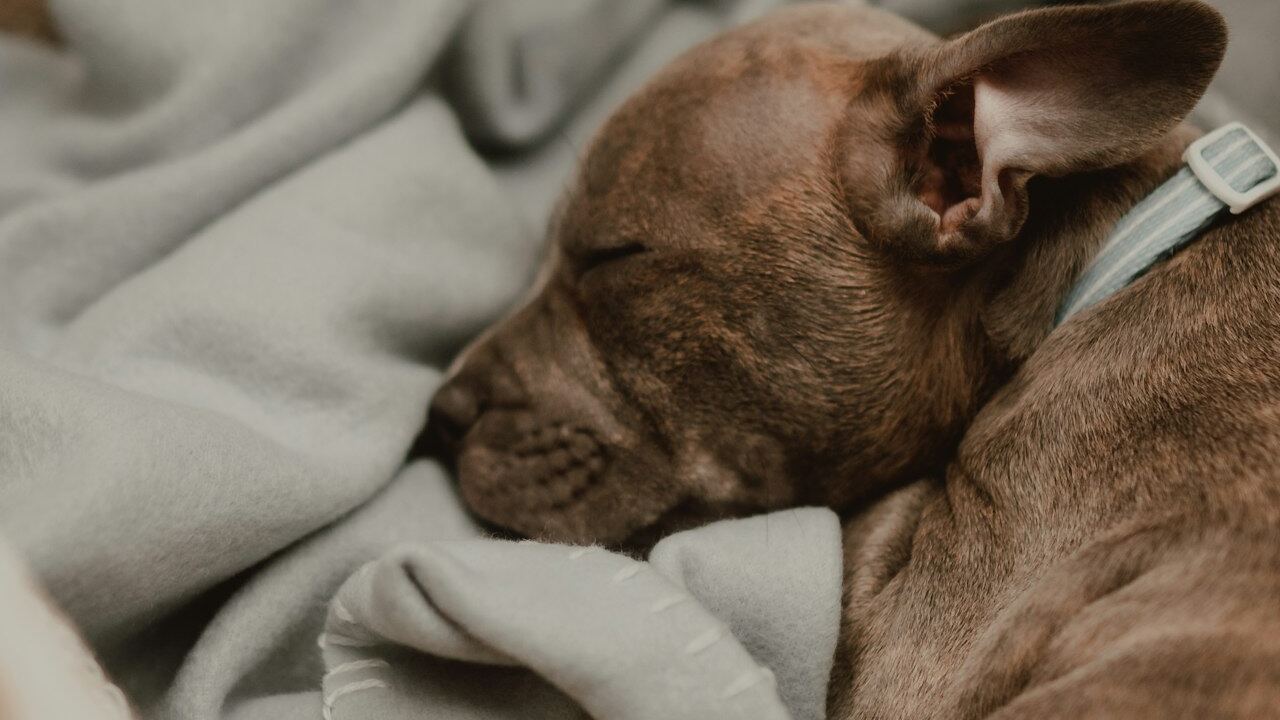
When a pet is unwell, a quiet separated space protects the animal's rest and keeps children away from stress, shedding, or possible infection. A clear isolation plan covers the spot, care, and return to shared space. This guide is general home planning; illness assessment follows a vet.
Why separate a sick pet
An ill animal may be tired, irritable, or contagious, and young children cannot read that discomfort. Separation protects both the pet's recovery and the child's safety.
- Give the sick pet a quiet, low-traffic room or corner.
- Keep children out of the isolation space during recovery.
- Watch for irritability, withdrawal, or warning signs around the child.
- Protect the animal's rest and avoid overhandling.
Set up the isolation spot
The separated area should hold water, bedding, and a familiar toy, with access to food and waste as needed. It stays calm and free of running noise.
- Provide fresh water and a clean bed in the isolated space.
- Keep medication and feeding supplies organized nearby.
- Place a litter box or relief spot according to the animal's needs.
- Use a gate or closed door to mark the separation.
Care and hygiene
Hand washing, clean supplies, and separate bedding reduce spread between pet and people. Follow any vet instructions about contagious conditions.
- Wash hands after caring for the sick animal.
- Keep food and water bowls cleaned separately from household items.
- Launder the pet's bedding after recovery as advised.
- Follow the vet's guidance on contagious disease and home cleaning.
Return to shared space
The pet rejoins the family after recovery and a vet's go-ahead. Reintroduction is slow and supervised, with the child coached to keep touch gentle.
- Wait for recovery and veterinary approval before ending isolation.
- Reintroduce contact in short, calm supervised sessions.
- Keep meals and rest protected during the return period.
- Watch for lingering irritability or stress around the child.
Age and species fit
Isolation protects infants through older children, and the setup suits dogs and cats differently. Puppies, kittens, and seniors need extra quiet care.
- Infants (0–1): kept fully away from the isolated pet.
- Toddlers (1–3): gated separation; adult controls any contact.
- Preschoolers (3–6): learn the pet is resting and needs space.
- Dogs and cats: each gets a quiet retreat with water and bedding; watch stress signs.
Common mistakes to avoid
Isolation slips when the pet stays in the busy family room, or children visit the sick animal often. A calm, separated, supervised recovery plan keeps both safe.
- Wrong: Keeping the sick pet in the playroom. Right: choose a quiet isolated spot.
- Wrong: Letting the toddler comfort the ill animal. Right: separate and supervise any contact.
- Wrong: Skipping hand hygiene after care. Right: wash hands and clean supplies separately.
- Wrong: Ending isolation before veterinary approval. Right: return to shared space only when cleared.
Frequently asked questions
Where should I keep a sick pet around my children?
In a quiet, low-traffic room or corner with water, bedding, and supplies, kept behind a gate or closed door. Follow the vet's guidance on isolation and hygiene.
Can my toddler visit the sick pet?
Not during recovery. Keep the child out of the isolation space; reintroduce contact only after veterinary approval and in short supervised sessions.
How do I keep the home clean with a sick pet?
Wash hands after care, clean bowls and bedding separately, launder bedding after recovery as advised, and follow the vet's instructions for contagious conditions.
When can the pet rejoin the family?
After recovery and a vet's approval. Reintroduce slowly under supervision, protect meals and rest, and watch for lingering irritability or stress.
What signs mean my pet needs a vet check?
Persistent withdrawal, loss of appetite, breathing changes, repeated warnings, or unusual behavior. A veterinarian assesses illness; this plan does not diagnose.
Where this guidance comes from. We are a general parenting-and-pets editorial team, not a veterinary or pediatric practice. We cross-check our guides against public guidance from the CDC Healthy Pets, Healthy People. These are starting points for your own reading, not a diagnosis for your family or pet.
Not professional advice. This guide covers general household and safety information. For your child's health or your pet's behavior and medical care, contact your pediatrician or veterinarian directly. Do not rely on a website for urgent decisions.