Family Activities That Strengthen the Child-Pet Bond
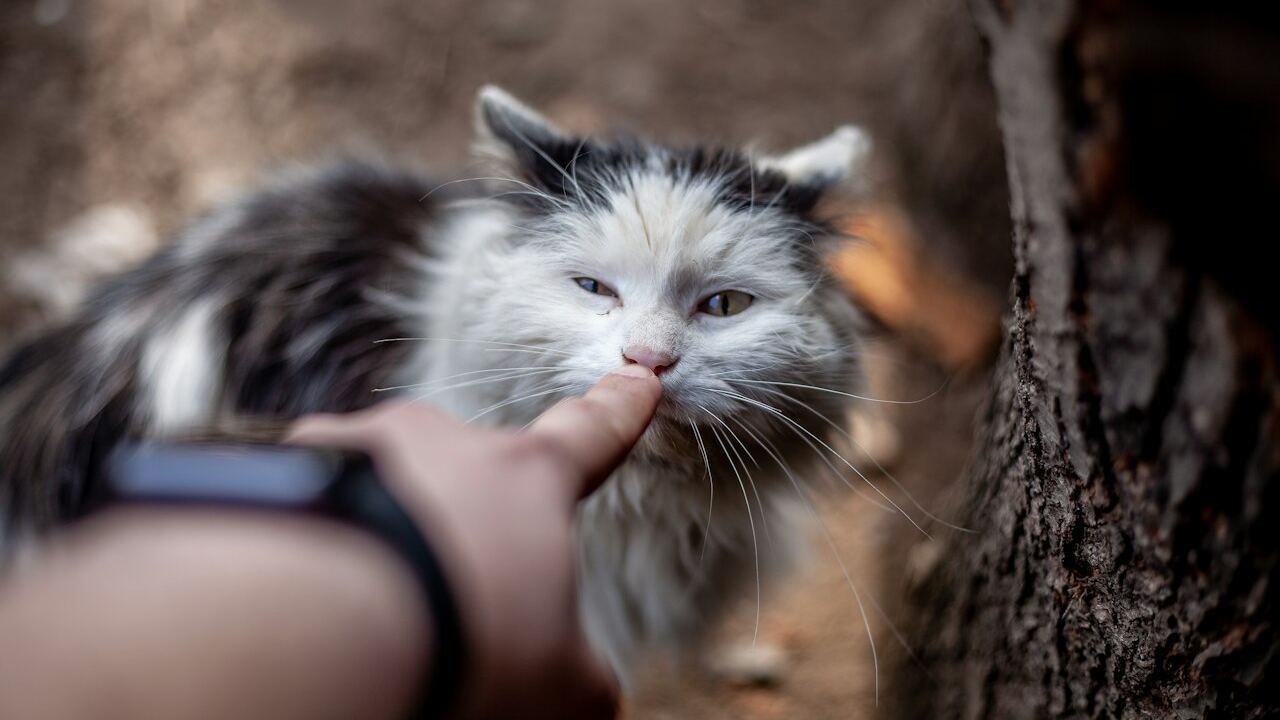
Shared calm activities with the family pet build closeness between parents, children, and the animal. Guided play, gentle daily care, and quiet time together give the whole group positive shared experiences. This guide suggests family activities by child stage. It is general family guidance.
Guided play together
Simple toy games let parent and child interact with the pet in a controlled way. Short, calm sessions keep the bond positive and prevent rough play.
- Use fetch, wand toys, or balls for supervised chase.
- Keep games gentle and end before excitement peaks.
- Direct the pet to toys rather than hands.
- Praise calm contact between child and animal.
Joint gentle care
Brushing, feeding, and fresh water are activities the parent and child do together. Shared care teaches the child the pet's needs while bonding the group.
- Brush the pet together under adult direction.
- Help measure and serve food in the pet's own zone.
- Check water and bedding as a family routine.
- Talk about what the pet seems to enjoy.
Quiet time and routine
Calm moments beside the pet—reading, resting, or watching—build comfort and trust. Predictable daily time together keeps the animal settled around the family.
- Sit near the pet during quiet reading or rest.
- Keep a one-on-one family moment each day.
- Protect the pet's retreat from busy play.
- Observe the animal's mood during the activity.
Outdoor and exploration time
Walks and outside sniffing give dogs shared activity, while cats enjoy indoor play and perches. Family activities match the species and setting.
- Take supervised family walks with the dog on leash.
- Provide cat play and climbing away from running kids.
- Keep new environments calm and low-pressure.
- Watch the pet's comfort before adding more activity.
Age and species fit
Activities grow with the child's ability to follow rules, and dogs and cats engage differently. The family activity respects the pet's temperament and rest.
- Toddlers (1–3): parent-led gentle touch and short play.
- Preschoolers (3–6): join simple care and supervised games.
- School-age (6+): take part in walks, brushing, and routine care.
- Dogs and cats: offer activities that fit their signals and comfort.
Common mistakes to avoid
Bonding activities fail when play turns rough, or the pet is forced into group attention. Calm, supervised, voluntary contact keeps experiences positive.
- Wrong: Making the pet a center of rough family play. Right: keep games gentle and toy-based.
- Wrong: Crowding a shy animal during activities. Right: let the pet approach and leave freely.
- Wrong: Leaving the child and pet to play unsupervised. Right: an adult guides every activity.
- Wrong: Overlooking stress signs during fun. Right: watch body language and end on a calm note.
Frequently asked questions
What activities help my child bond with our pet?
Guided toy play, joint gentle brushing and feeding, quiet time together, and supervised walks. Keep sessions short, calm, and voluntary for the pet.
How do families play with a dog or cat safely?
Use toys rather than hands, keep contact gentle, supervise every session, and end before excitement peaks. Watch stress signs and protect the pet's retreat.
Should the whole family spend time with the pet daily?
Yes, a short quiet one-on-one or group moment each day builds trust and routine. Protect the animal's rest and let it choose to join contact.
What activities suit a shy pet?
Low-pressure sitting nearby, quiet brush sessions, and toys at the pet's pace. Do not crowd or carry the animal; let trust build under supervision.
How do I keep family play from turning rough?
Set gentle rules, redirect to toys, stop before overexcitement, and use separate retreat time. An adult stays present and guides the contact throughout.
Where this guidance comes from. We are a general parenting-and-pets editorial team, not a veterinary or pediatric practice. We cross-check our guides against public guidance from the CDC Healthy Pets, Healthy People. These are starting points for your own reading, not a diagnosis for your family or pet.
Not professional advice. This guide covers general household and safety information. For your child's health or your pet's behavior and medical care, contact your pediatrician or veterinarian directly. Do not rely on a website for urgent decisions.